Adulterated Sweets This Festive Season: Six Simple Home Tests From FSSAI for Khoya, Milk, Ghee and Silver Varq
Demand for mithai, khoya and ghee peaks before Diwali, and so does adulteration. The food regulator has told states to step up checks. Here is how to spot common fakes at home, and how to buy safely.
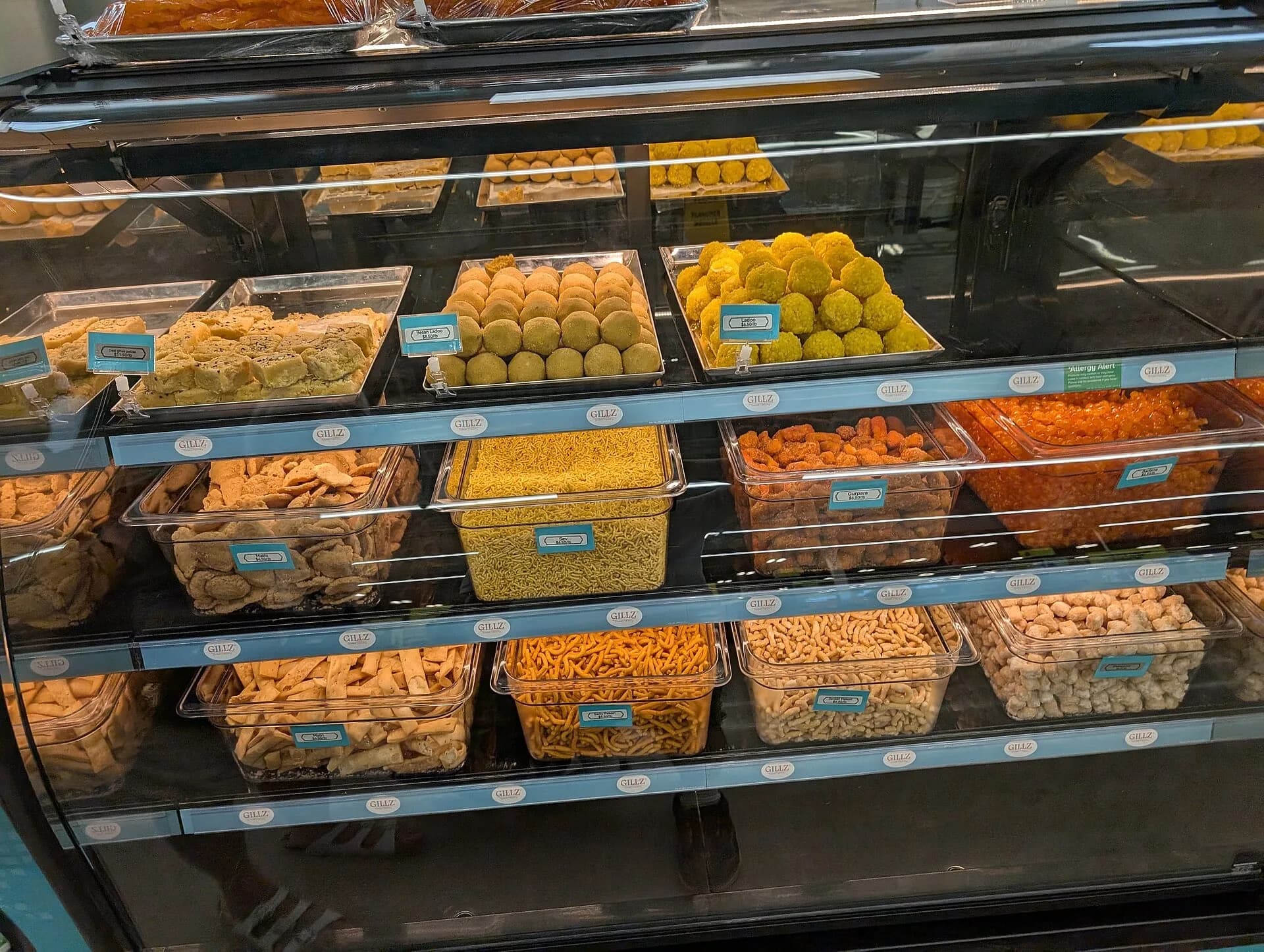
Diwali means sweets: boxes of barfi, kaju katli, gulab jamun and laddoos exchanged with family, friends and colleagues. But the festive rush also brings a familiar problem. When demand for khoya, paneer, ghee and milk shoots up, so does the temptation to cut corners with cheaper, sometimes harmful, ingredients.
This year, the Food Safety and Standards Authority of India (FSSAI) has asked states to step up checks. Here is what the regulator is doing, and six simple tests you can try at home.
Quick answer
- FSSAI's festive drive: in a letter dated September 29, the regulator asked states and Union Territories to increase inspections and sampling of sweets, khoya, paneer, ghee, milk, namkeen and edible oil through the festive season.
- Most common fakes: water and detergent in milk, starch in khoya and paneer, starch or vegetable fat in ghee, and aluminium foil passed off as silver varq.
- Home tests can help, but they are only a first check. If you suspect adulteration, report it to your state food safety department or FSSAI.
What FSSAI has asked states to do
According to Business Standard, FSSAI's letter warned that the economic motive to adulterate rises with consumer demand in the festive season. It asked states to:
- target "hot spots" where adulteration is common;
- deploy Food Safety on Wheels mobile testing vans in markets;
- increase inspections and sample collection, with on-the-spot testing;
- log all inspection data in real time;
- raise public awareness about adulterated food.
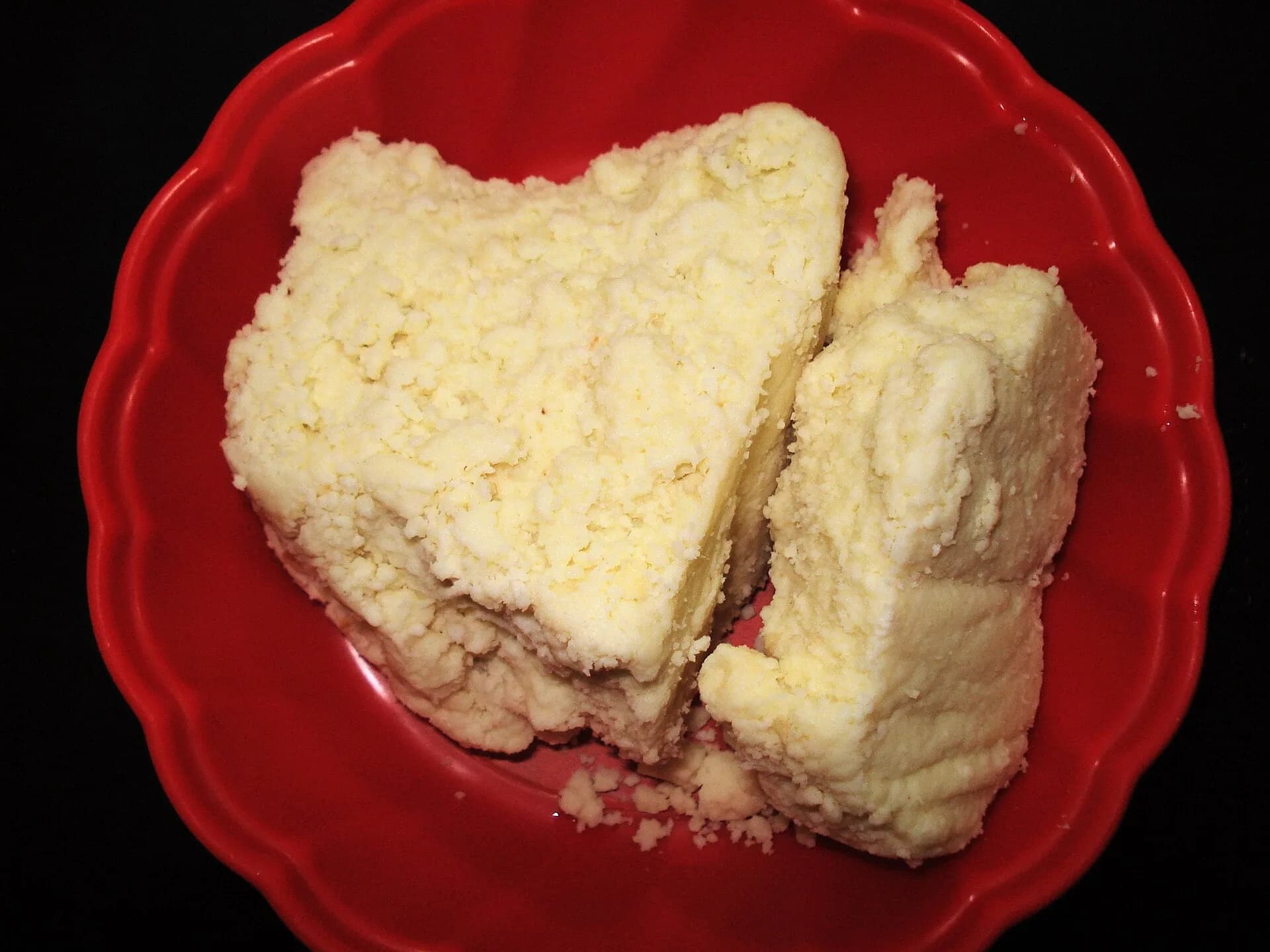
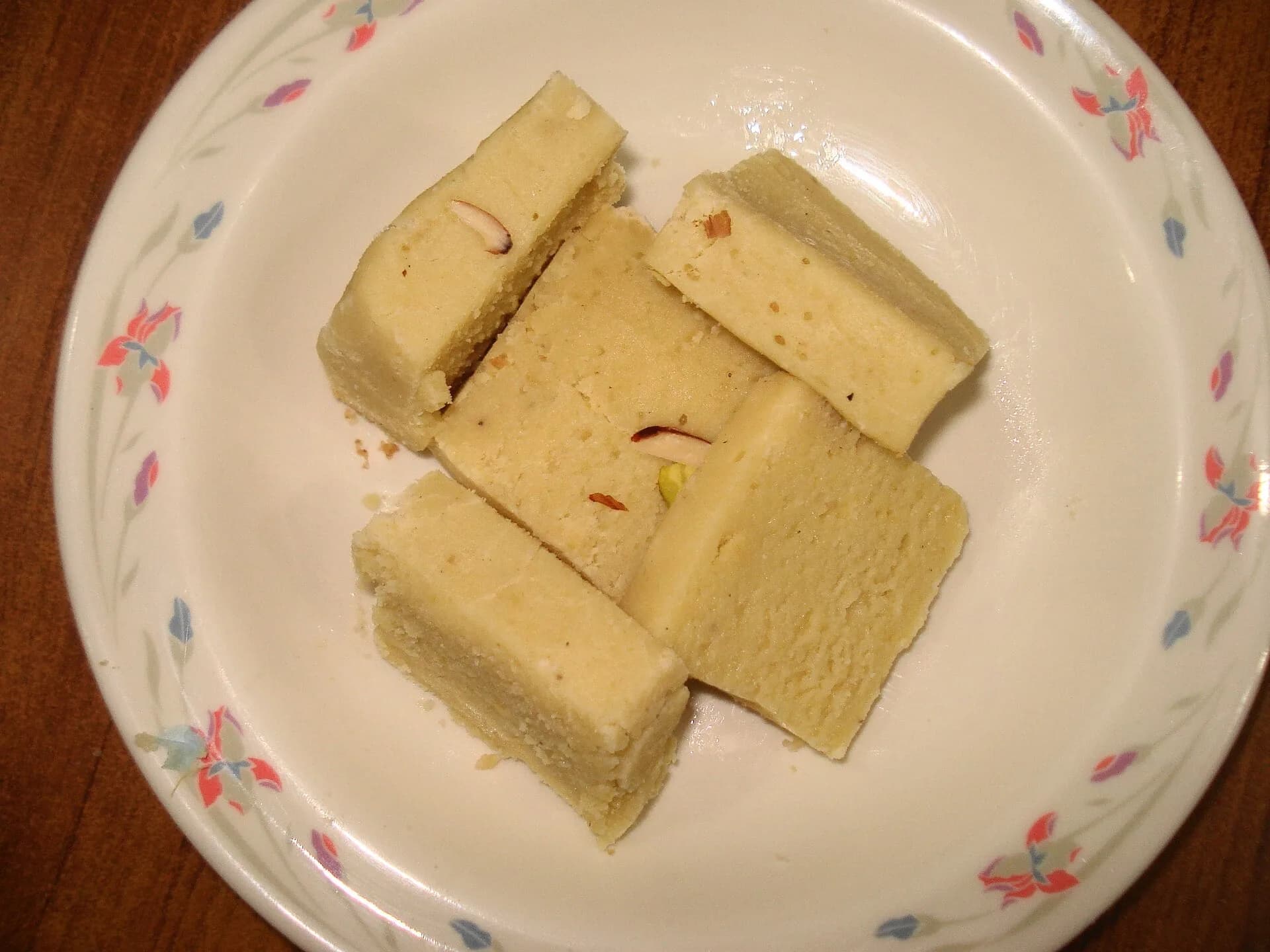
Khoya is a special concern because it is used in so many sweets and spoils quickly. In past festive seasons, state food departments have seized fake khoya made from skimmed milk powder and vanaspati.
Six home tests from FSSAI's DART guide
FSSAI publishes a free booklet called DART (Detect Adulteration with Rapid Test), with simple checks that use water and household items such as tincture of iodine, which is available at chemists. Here are six useful for the festive season.
1. Starch in khoya, paneer or chhena
- Boil a small piece (2 to 3 grams) in about 5 ml of water and let it cool.
- Add 2 to 3 drops of tincture of iodine.
- Result: if it turns blue, starch has been added.
2. Water in milk
- Put a drop of milk on a polished, slanting surface, such as a steel plate held at an angle.
- Result: pure milk flows slowly and leaves a white trail. Milk with added water runs off quickly and leaves no mark.
3. Detergent in milk
- Mix 5 to 10 ml of milk with an equal amount of water and shake well.
- Result: milk with detergent forms a thick lather. Pure milk forms only a thin layer of foam.
4. Starch in ghee or butter
- Put half a teaspoon of ghee or butter in a clear glass bowl and add 2 to 3 drops of tincture of iodine.
- Result: a blue colour shows mashed potato, sweet potato or other starch has been mixed in.
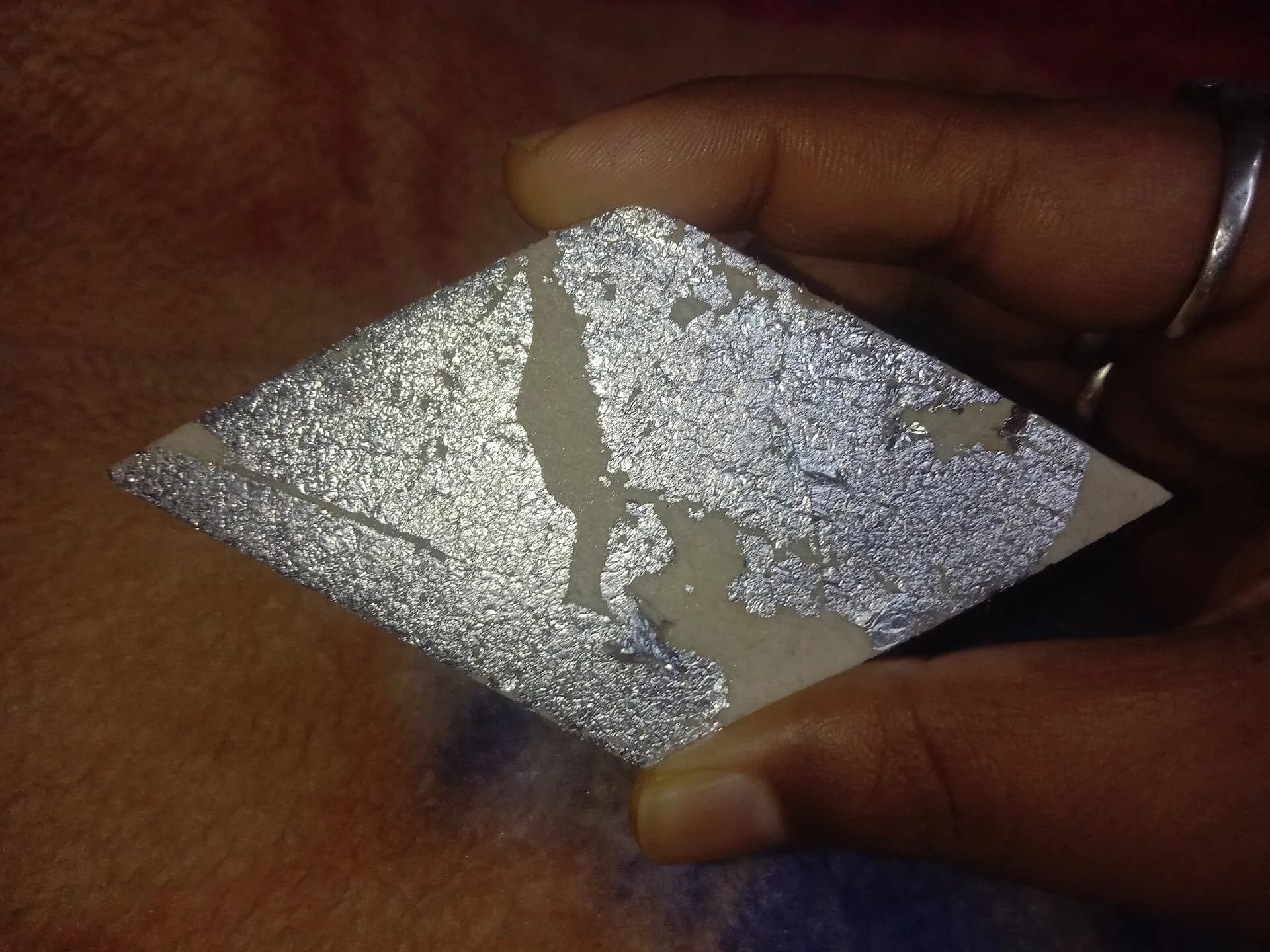
5. Fake silver varq
Many sweets are decorated with a thin silver leaf (varq). Real varq must be pure silver; aluminium foil is sometimes used instead.
- Crush a small piece between your fingers. Real silver crumbles into fine powder. Aluminium breaks into small shreds.
- Or roll a small piece into a ball and burn it carefully with a flame. Real silver burns away, leaving tiny glistening balls; aluminium leaves a grey ash.
6. Chalk in sugar
- Dissolve about 10 grams of sugar in a glass of water.
- Result: if chalk has been added, it settles at the bottom.
Important: these tests are quick screens, not lab reports. A "pass" does not guarantee food is safe, and a positive result should be confirmed by an accredited laboratory.
How to buy sweets safely
- Buy from trusted shops that display an FSSAI licence or registration number.
- Check packed sweets for the FSSAI logo, manufacturing date and "best before" date. Milk-based sweets usually last only a day or two without refrigeration.
- Be wary of very bright colours. Unusually bright red, green or yellow sweets may contain non-permitted colours.
- Smell and taste: khoya should smell fresh and milky, not sour or oily.
- Avoid stale stock: be careful with heavily discounted sweets near the end of the day.
- Choose dry sweets for gifting and travel, such as kaju katli, dry fruit laddoos or soan papdi, which keep longer than milk-based sweets.
How to report adulteration
If you suspect adulterated food, keep the packet or receipt and complain to your state or district food safety officer, or use FSSAI's consumer complaint channels, including the Food Safety Connect app. Many states also run festive-season helplines.
Health tips for the sweet season
- Watch portion sizes. Festive sweets are high in sugar and fat; see our guide to hidden sugar and simple swaps.
- People with diabetes should plan sweets as part of their meal, not on top of it, and keep checking blood sugar.
- Store milk sweets in the fridge and finish them within a day or two.
- Wash hands before handling food; see our festive food safety guide.
Related reading
Sources
This article draws on the following reporting. Dates are when each source was originally published.
- Business Standard: FSSAI asks states to step up food inspections ahead of festival season
- Public TV English: FSSAI to conduct checks on sweets ahead of festive season
- FSSAI (Eat Right India): Detect Adulteration with Rapid Test (DART)
Written by
Stories, explainers and features published by The Daily, based on public sources that are listed with every article.
More from The Daily →Enjoyed this story?
Get the best of The Daily in your inbox every Sunday.