Pakistan Puts Khyber Pakhtunkhwa Under Emergency and Governor's Rule: What Happened, Why, and What Comes Next
Islamabad has removed Imran Khan's PTI from power in the province bordering Afghanistan, citing terrorism. Chief Minister Sohail Afridi has been detained. A plain explainer of the crisis.
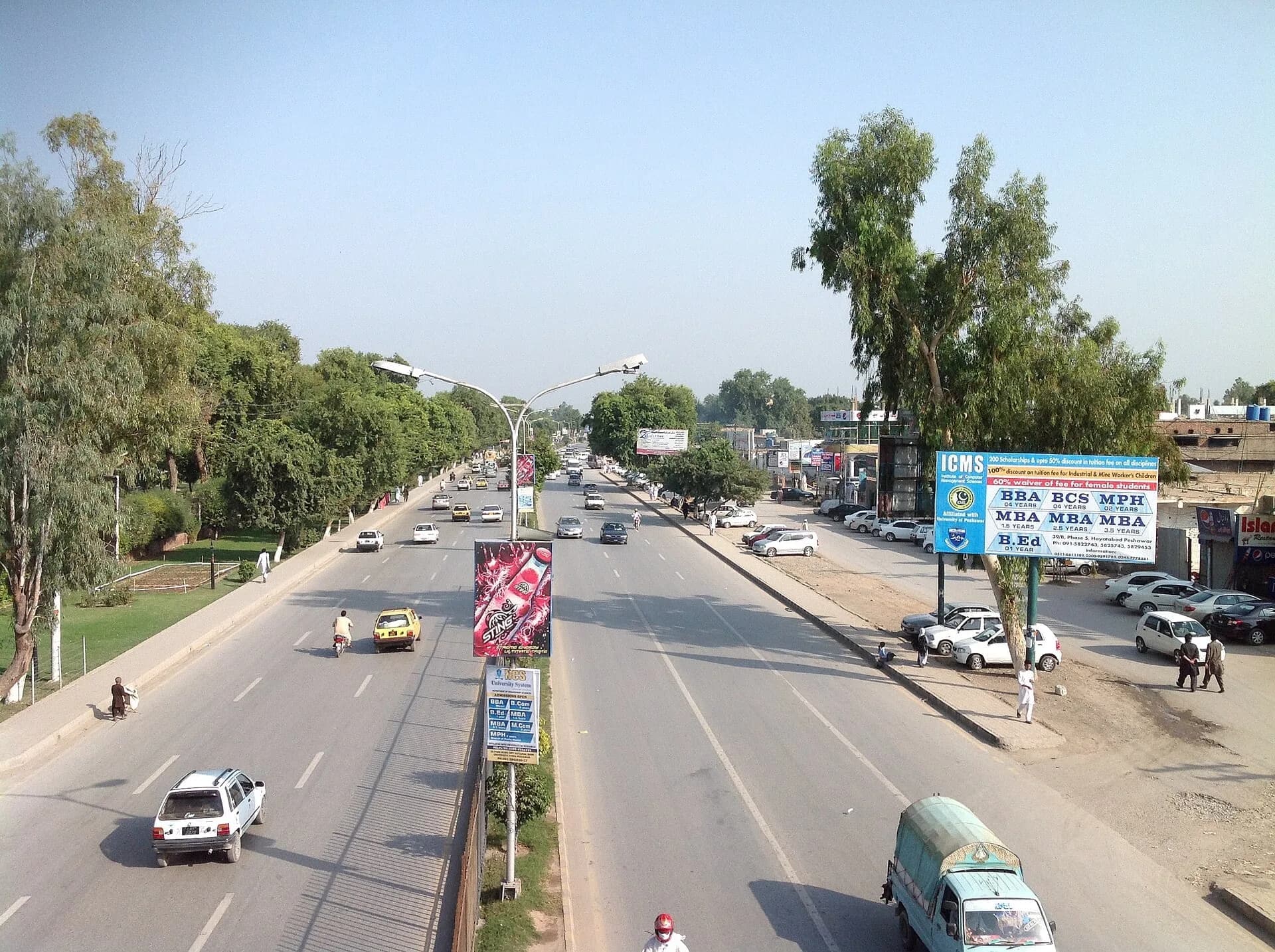
Pakistan's government has taken direct control of Khyber Pakhtunkhwa (KP), the north-western province that borders Afghanistan. On Sunday, October 11, President Asif Ali Zardari, acting on the advice of Prime Minister Shehbaz Sharif, declared a state of emergency and governor's rule in the province, removing the elected government of Imran Khan's party, PTI.
Chief Minister Sohail Afridi and several senior PTI leaders have since been detained. Here is a plain explainer.
Quick answer
- What happened: emergency rule and governor's rule in Khyber Pakhtunkhwa from October 11.
- Who runs KP now: Governor Faisal Karim Kundi, of the Pakistan Peoples Party, with an 11-member advisory council.
- Government's reason: a sharp rise in terrorist attacks and what it says is the provincial government's failure to tackle them.
- PTI's response: it calls the move unconstitutional and political, and plans court challenges and protests.
- Next deadline: both houses of Parliament must approve the emergency by about October 21.
What the two measures mean
According to Al Jazeera's explainer, the government used two articles of Pakistan's Constitution:
- Article 232 allows the President to declare an emergency when security is threatened by an "internal disturbance" beyond a province's control. It can allow some fundamental rights to be suspended.
- Article 234 allows governor's rule when a province cannot be governed according to the Constitution.
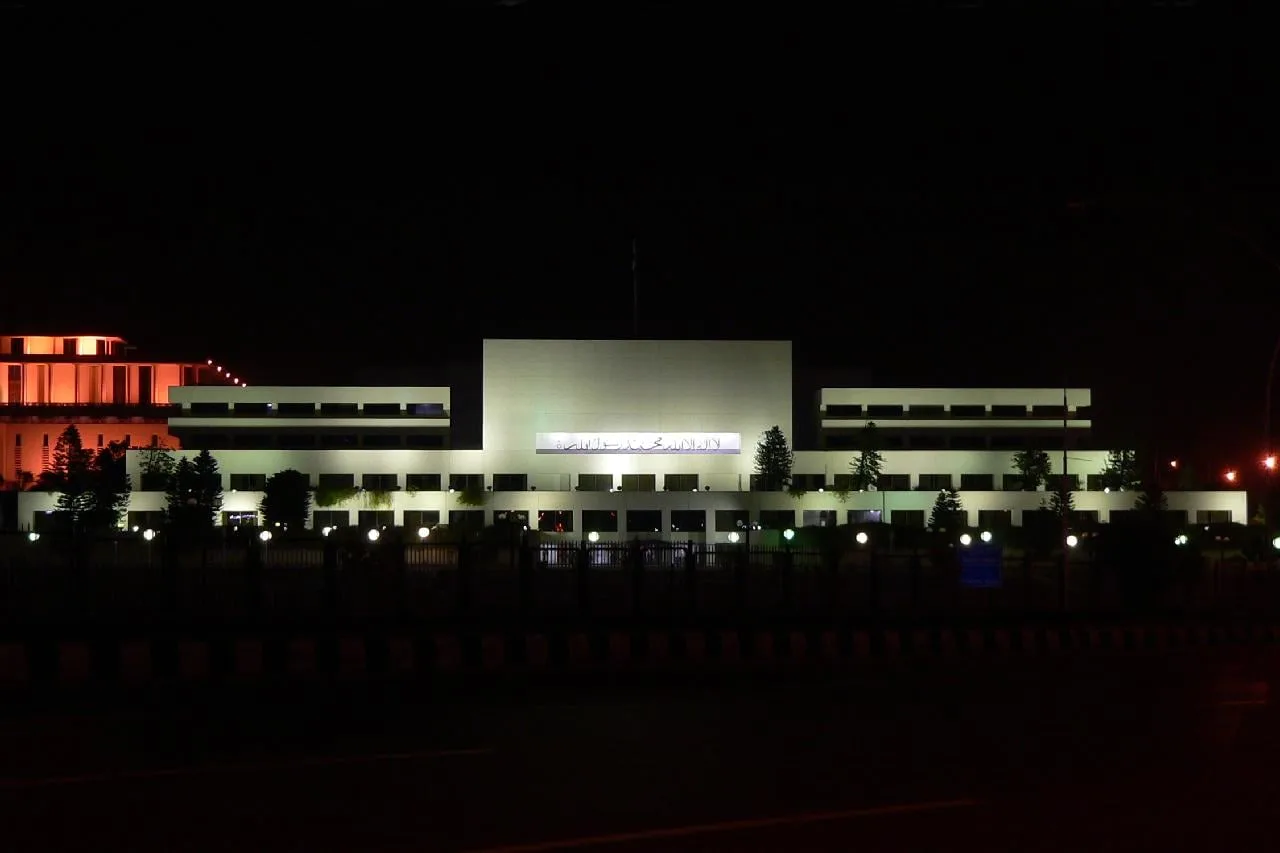
Under these orders, the chief minister and provincial ministers leave office, the governor takes over the provincial government's work, and Parliament takes over the powers of the provincial assembly, where PTI had a majority. The assembly has not been dissolved, but it cannot function while the emergency lasts.
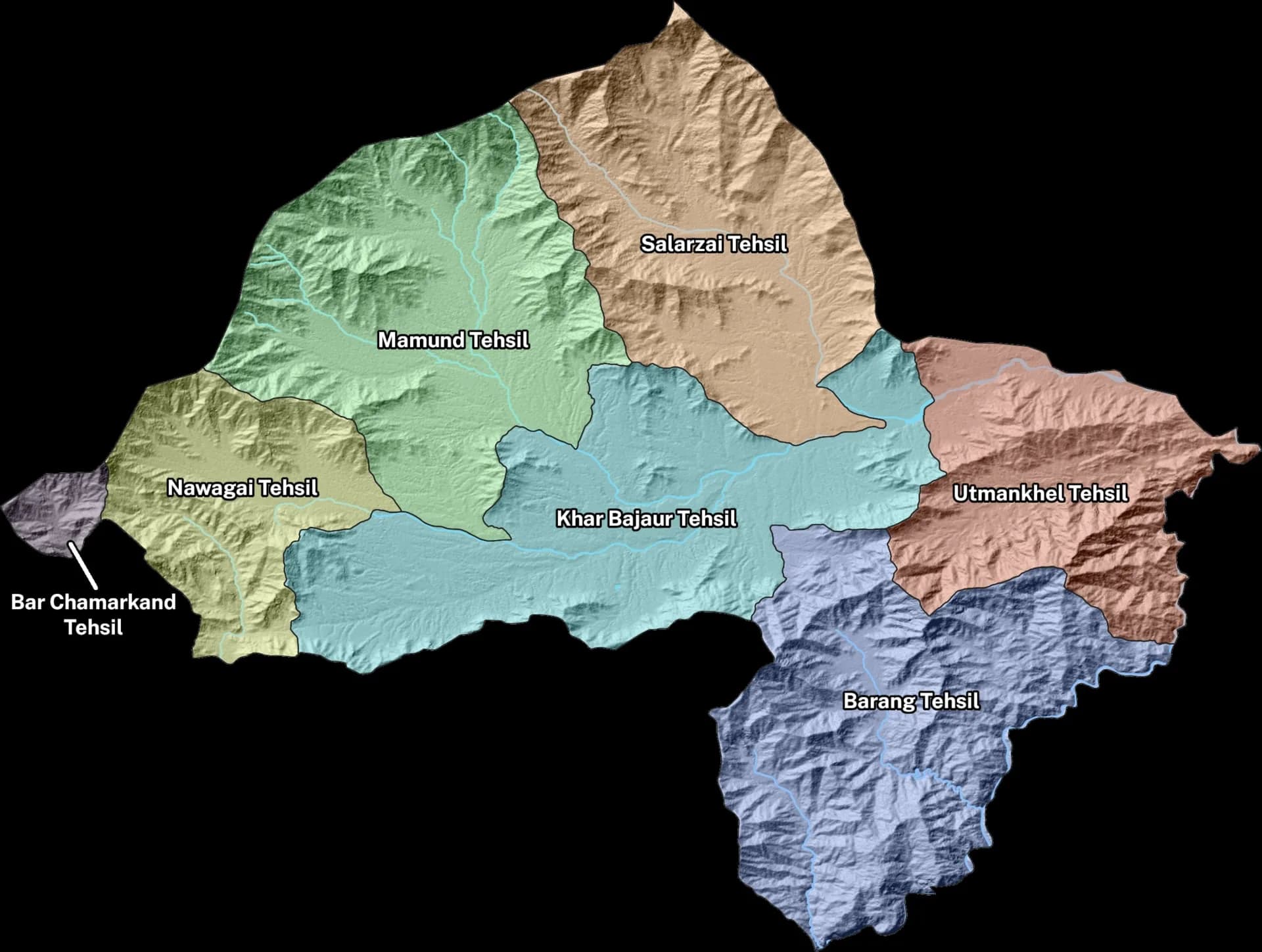
A federal order has also created a special secretariat for 12 districts, mostly former tribal areas along the Afghan border.
Why the government says it acted
The government cites terrorism. The proclamation speaks of attacks of an "unprecedented level of violent intensity". Figures from the Pakistan Institute for Conflict and Security Studies, cited by Al Jazeera, show 1,066 attacks in 2025 and 1,232 in just the first nine months of 2026, mostly in KP and Balochistan.
Ministers have also accused the PTI government of being soft on, or aligned with, militants, without making public evidence. Pakistan blames much of the violence on the Pakistani Taliban (TTP), which it says operates from Afghanistan.
PTI's response
PTI has rejected the move.
- Party chairman Gohar Ali Khan asked why the whole province was placed under governor's rule if the security problem is concentrated in 12 districts.
- PTI says Afridi, provincial party president Junaid Akbar, Assembly Speaker Babar Saleem Swati and others have been detained, and that their whereabouts were not disclosed. Police described the detentions as "protective custody".
- The crackdown came as PTI was leading a march to press for the release of Imran Khan, the former prime minister, who remains in jail.
Monitoring group NetBlocks reported major internet disruptions in the province, and schools were closed in several districts.
The Afghanistan angle
The crisis comes amid open hostility between Pakistan and Afghanistan's Taliban government. On September 30, Pakistan carried out air strikes in Afghanistan's Kunar and Helmand provinces, saying it hit militant hideouts and killed 22 fighters. The Taliban said nine people were killed, and the UN mission in Afghanistan said at least 10 civilians, mostly children, died. Kabul denies sheltering militants.
The government has not formally linked the KP emergency to the Afghan strikes, but most of the districts placed under special control lie along that border.
How long can it last?
According to Al Jazeera:
- Both houses of Parliament must approve the emergency within 10 days, by around October 21, and a joint sitting must consider it within 30 days.
- Once approved, an emergency has no fixed end date.
- Governor's rule can be extended in two-month steps, up to six months.
Pakistan's provinces have been placed under governor's rule at least eight times since 1949, including KP (then the North-West Frontier Province) in 1975 and 1994.
Why it matters for India and the region
- Security: instability in KP and along the Afghan border can affect militant activity across the region, a long-standing concern for India.
- Politics: the move deepens the confrontation between Pakistan's government and military establishment on one side and Imran Khan's PTI on the other.
- Afghanistan: worsening Pakistan-Taliban relations add to tension in a region where India has been rebuilding ties with Kabul.
The coming weeks, especially the parliamentary vote and any court challenges, will show whether the measures are temporary or the start of a longer crackdown.
Related reading
Sources
This article draws on the following reporting. Dates are when each source was originally published.
Written by
Stories, explainers and features published by The Daily, based on public sources that are listed with every article.
More from The Daily →Enjoyed this story?
Get the best of The Daily in your inbox every Sunday.