Pope Leo XIV Has Early-Stage Lung Cancer, Part of Lung Removed: What We Know, and What It Teaches About Lung Nodules
The 71-year-old pontiff had the lower lobe of his right lung removed at Rome's Gemelli hospital, and the Vatican says the surgery was successful. Doctors call the outlook excellent because it was caught early.
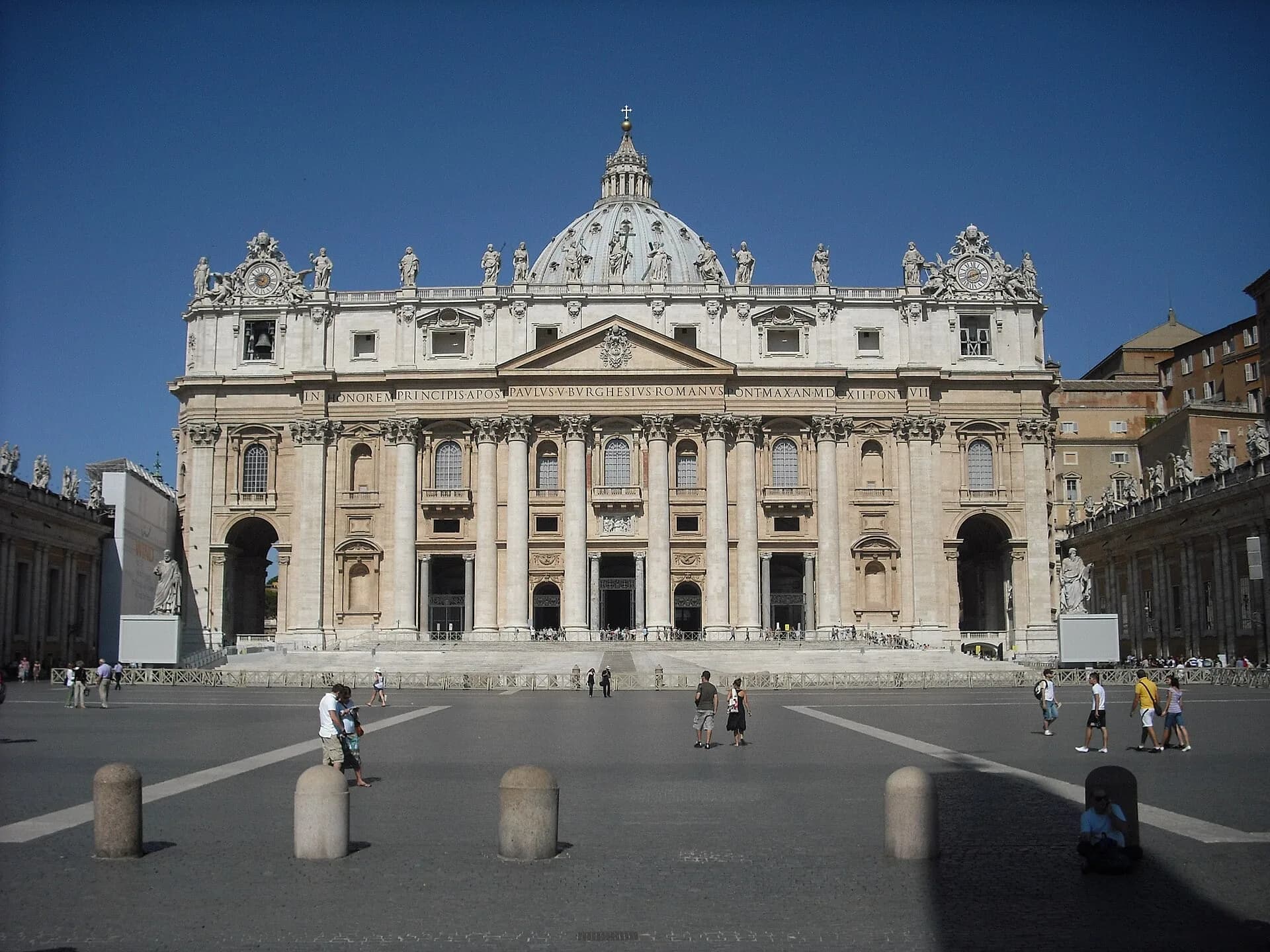
Pope Leo XIV has been diagnosed with early-stage lung cancer, the Vatican said on Tuesday, October 13, after surgeons at Rome's Gemelli hospital removed the lower lobe of his right lung. The Vatican said the operation was successful and "there were no complications."
The news has drawn attention around the world, including among India's large Catholic community. Here is what we know so far, and what the pope's case shows about the value of catching lung cancer early.
Quick answer
- Who: Pope Leo XIV, 71, the first American pope, elected in May 2025.
- What: surgery to remove the lower lobe of his right lung after a small lung nodule was found.
- Diagnosis: lung adenocarcinoma, the most common type of lung cancer, confirmed during surgery.
- Outcome: the Vatican says the surgery was successful with no complications.
- Recovery: all audiences are cancelled until October 20; doctors say full recovery can take weeks.
What happened
According to the Associated Press, the pope himself disclosed during his Sunday noon prayer that doctors had found a small, localised nodule in his lung and that he would have it removed.
The operation on Tuesday was led by Gemelli's chief thoracic surgeon, Dr Stefano Margaritora. The pope was in the operating room for about three hours; the operation itself took about 90 minutes. Tests on the tissue during surgery confirmed adenocarcinoma, which doctors had suspected from earlier scans.
The Vatican says the pope woke normally after surgery. It has cancelled all his audiences through October 20, and said his hospital recovery was expected to last about a week.
How serious is it?
Oncologists quoted in the media have described his outlook as "excellent" because the cancer appears to have been found early, while it was still a small nodule.
- A nodule is a spot in the lung 3 cm or smaller; anything larger is called a mass.
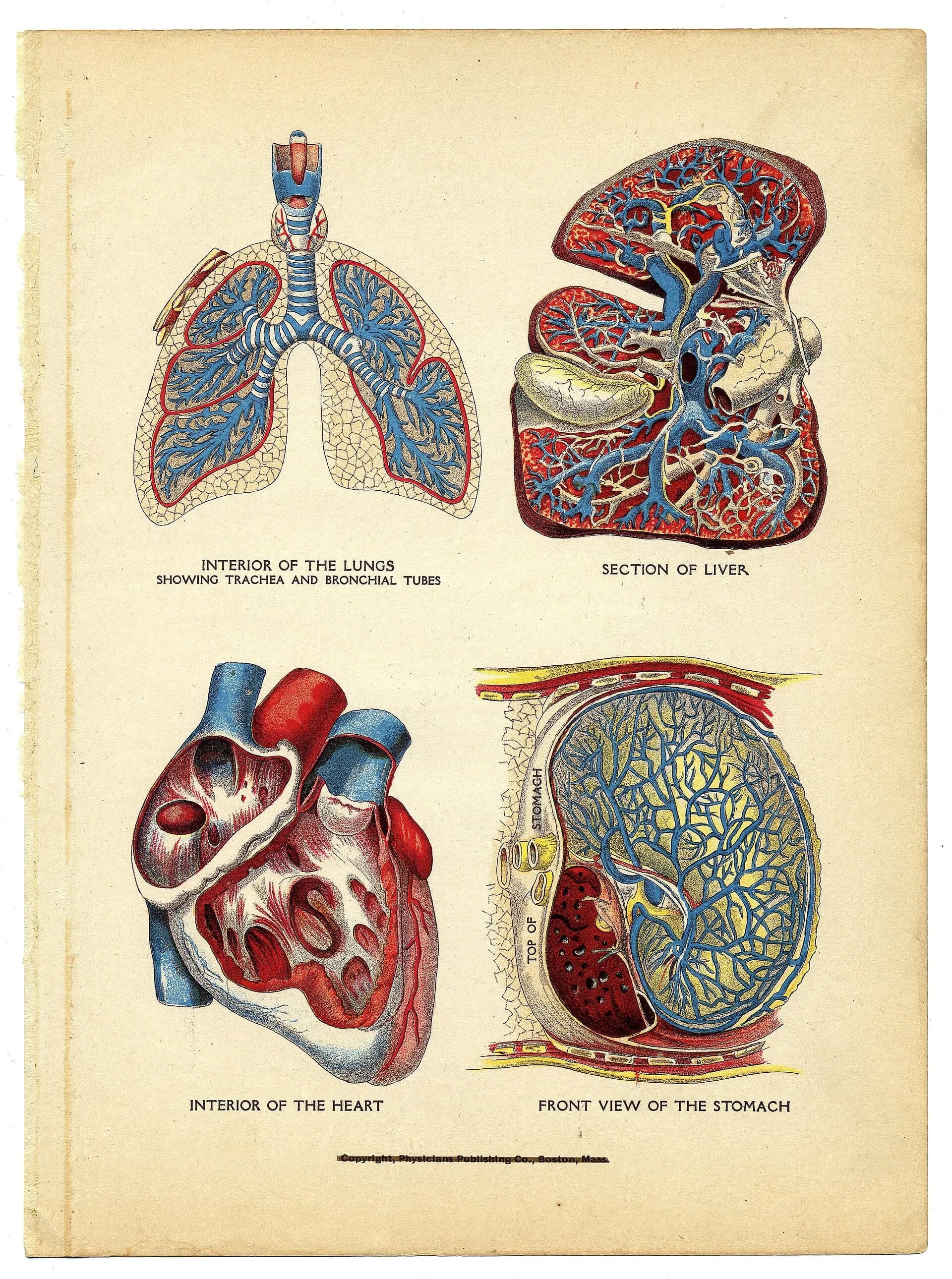
- Removing a lobe (a lobectomy) is a standard, potentially curative operation for early lung cancer. The right lung has three lobes and the left has two, so people can breathe normally after losing one, as the remaining lung adapts over time.
- Whether he needs further treatment, such as chemotherapy, depends on the pathology report: whether the edges of the removed tissue are clear, and whether any lymph nodes are affected.
Radiologist Dr Omer Awan told PBS NewsHour that recovery after leaving hospital can take "weeks or perhaps months", with walking, breathing exercises and stamina-building in the early weeks.
An unusually open Vatican
Popes' health has often been kept private. This time, the Vatican has shared detailed information from the start. This is the first major health problem publicly disclosed in Leo's 17-month papacy. Pope Leo, born Robert Prevost in Chicago, spent many years as a missionary in Peru before his election.
The Vatican has said it will give further updates.
What lung nodules mean for everyone
The pope's case is a useful reminder about lung health.
1. Lung cancer is not only a smoker's disease. Adenocarcinoma, the type he has, is the most common lung cancer and is often seen in people who never smoked. Tobacco is still the biggest cause, but air pollution, second-hand smoke, radon gas and workplace exposures also raise the risk.
2. Many nodules are harmless. Lung nodules are common, and most are not cancer; they can be old scars or infections, including past TB. Doctors usually monitor them with repeat CT scans, and recommend a biopsy or surgery if a nodule grows or looks suspicious.
3. Early detection saves lives. Lung cancer found early, when it is small and has not spread, is far more treatable. Unfortunately, many people are diagnosed late, when symptoms such as a long-lasting cough, coughing up blood, chest pain, breathlessness or weight loss appear.
4. Know when to see a doctor. If you have a cough for more than two or three weeks, cough up blood, or have unexplained weight loss, get checked. In India, a long cough should also be tested for TB, which has similar symptoms; read our guide to TB symptoms and free treatment.
What next for the pope
For now, the focus is on recovery. Key things to watch:
- the final pathology report and whether any further treatment is needed;
- when the pope returns to the Vatican and resumes public audiences;
- changes to his travel and events calendar in the coming months.
Related reading
Sources
This article draws on the following reporting. Dates are when each source was originally published.
- PBS NewsHour (AP): Vatican says the pope has lung cancer and the lower lobe of his right lung was removed
- PBS NewsHour: What we know about Pope Leo's lung cancer and prognosis
- CNBC: Pope Leo diagnosed with cancer as doctors remove lobe of lung, Vatican says
- World Health Organization: Lung cancer: fact sheet
Written by
Stories, explainers and features published by The Daily, based on public sources that are listed with every article.
More from The Daily →Enjoyed this story?
Get the best of The Daily in your inbox every Sunday.