Types of Sarees in India: 25 Famous Weaves by State, and How to Tell the Real Thing
From Kanjivaram and Banarasi silk to Chanderi, Sambalpuri ikat, Jamdani and Kasavu, a state-by-state guide to India's great sarees, what makes each one special, and the marks and checks that protect you from fakes.
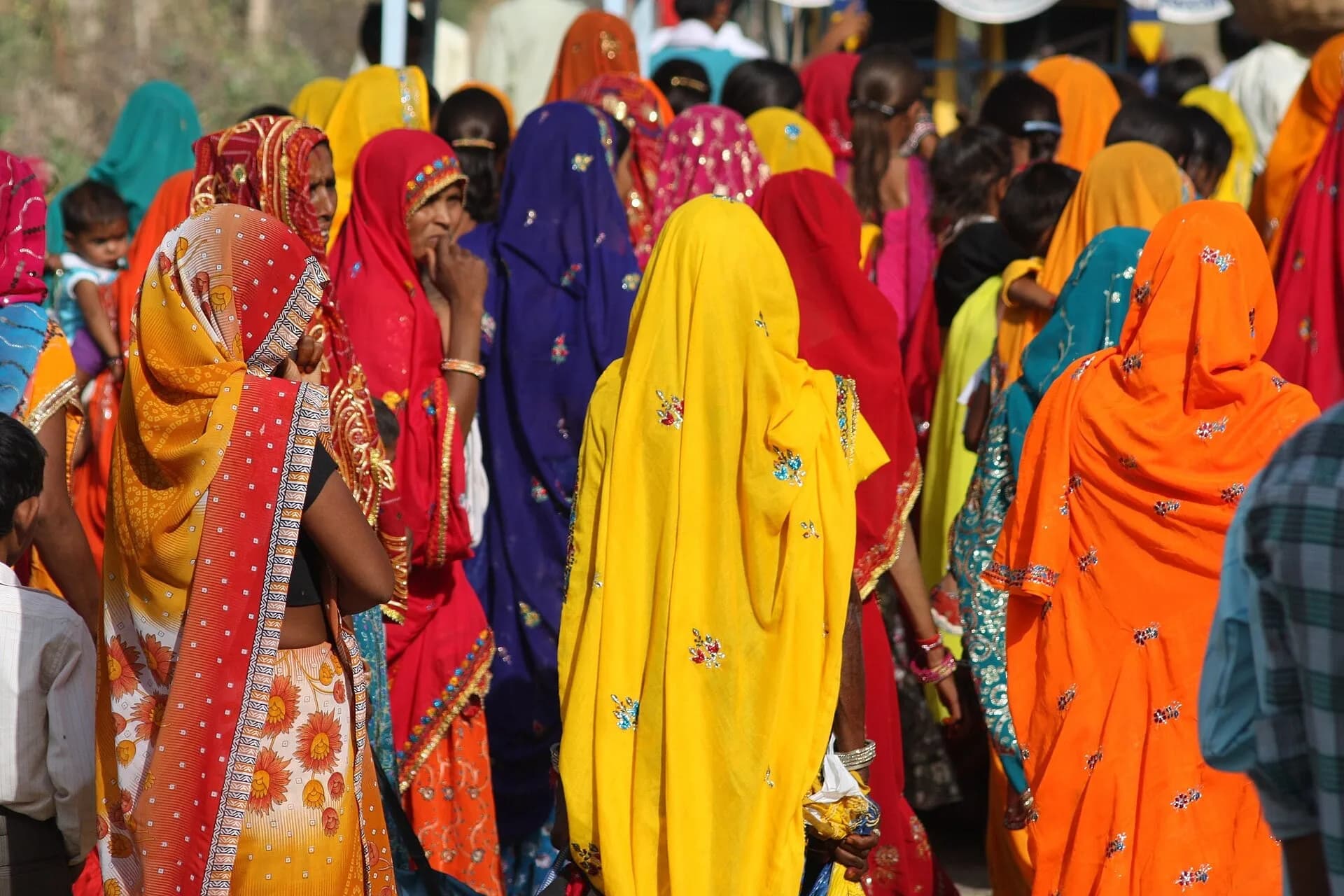
India has more kinds of sarees than any one wardrobe could hold. Almost every state has a weave of its own, shaped by local fibres, climate, temples, trade routes and families of weavers who have passed down designs for generations. Many are now protected by a Geographical Indication (GI) tag, which means only sarees made in that region, in that way, can use the name.
This guide walks through India's most famous sarees state by state, explains what makes each one special, and shows you how to tell the genuine article from a power-loom copy.
Quick answer
- Silk icons: Kanjivaram (Tamil Nadu), Banarasi (Uttar Pradesh), Paithani (Maharashtra), Patola (Gujarat), Mysore silk (Karnataka), Muga (Assam), Baluchari (West Bengal).
- Light and airy: Chanderi and Maheshwari (Madhya Pradesh), Kota Doria (Rajasthan), Jamdani and Tangail (West Bengal), Kasavu (Kerala).
- Ikat traditions: Pochampally (Telangana), Sambalpuri (Odisha), Patola (Gujarat).
- Everyday cottons: Mangalagiri, Venkatagiri, Ilkal, Dhaniakhali, Kovai Kora.
- To check authenticity: look for the Silk Mark on pure silk, the Handloom Mark or India Handloom brand on handwoven sarees, and buy GI-tagged weaves from cooperatives or registered weavers.
South India
1. Kanjivaram (Kanchipuram), Tamil Nadu. The queen of silk sarees: heavy mulberry silk with real zari, bold temple borders and contrasting pallus. The best are woven with the korvai technique, where the border and body are woven separately and interlocked, so they never come apart. A bridal favourite across the south. GI-tagged.
2. Arani silk, Tamil Nadu. Lighter, more affordable silk from near Tiruvannamalai, often with simpler borders. GI-tagged.
3. Kovai Kora, Tamil Nadu. A cotton-silk blend from Coimbatore, crisp and light for daily wear. GI-tagged.
4. Mysore silk, Karnataka. Smooth, lustrous crepe silk, usually plain with a gold zari border, produced by the state-owned silk factory. Known for its soft drape.
5. Ilkal, Karnataka. Cotton or cotton-silk sarees with a distinctive red pallu joined to the body by a special looping technique called tope teni. GI-tagged.
6. Molakalmuru, Karnataka. Silk sarees with intricate border motifs of animals, temples and fruits. GI-tagged.
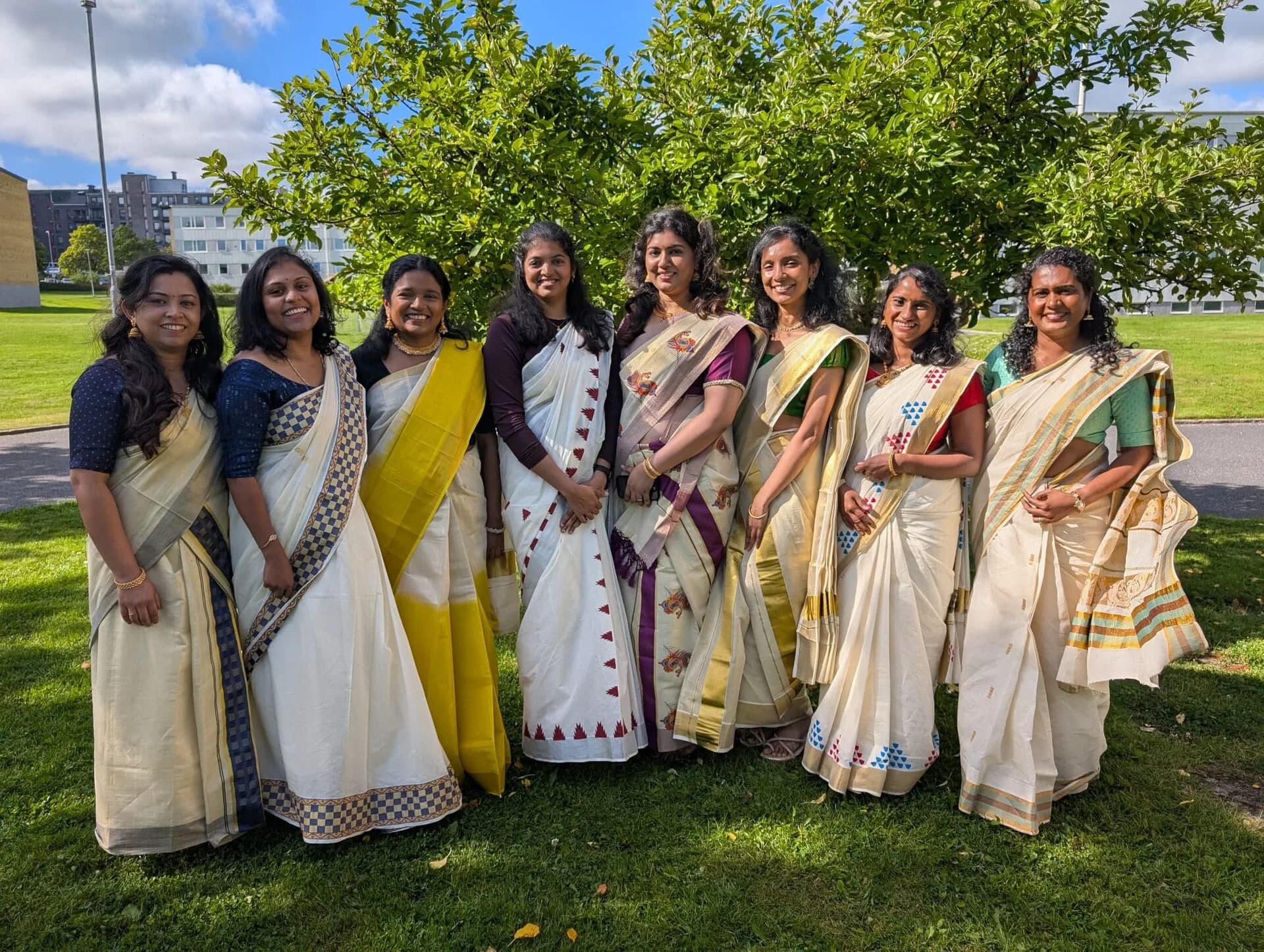
7. Kasavu and Balaramapuram, Kerala. Off-white handloom cotton with a gold border, worn at Onam and Vishu and as the two-piece mundum neriyathum. Balaramapuram, near Thiruvananthapuram, is famous for fine-count weaving. GI-tagged.
8. Pochampally ikat, Telangana. Geometric patterns created by tying and dyeing the threads before weaving, so the design appears as the loom works. Each saree has slightly blurred edges, a mark of real ikat. GI-tagged.
9. Gadwal, Telangana. Cotton body with silk borders and pallu, joined by interlocking, so the saree is light yet festive. GI-tagged.
10. Narayanpet, Telangana. Simple checked or striped cotton and silk sarees with a distinctive border. GI-tagged.
11. Uppada Jamdani, Andhra Pradesh. Feather-light silk with Jamdani-style motifs woven into the fabric by hand. GI-tagged.
12. Venkatagiri and Mangalagiri, Andhra Pradesh. Fine cottons: Venkatagiri for its soft texture and zari motifs, Mangalagiri for its crisp, nizam-style borders. Both GI-tagged. Dharmavaram silk, with broad contrasting borders, is another GI-tagged favourite.
West India
13. Paithani, Maharashtra. Silk sarees with peacock and lotus motifs on rich, often oblique-square borders and a shimmering, colour-changing body. A traditional Maharashtrian bridal saree. GI-tagged.
14. Patan Patola, Gujarat. One of the world's most difficult weaves: double ikat, in which both the warp and weft threads are tie-dyed to precise patterns before weaving. A single saree can take months, and a genuine Patola looks identical on both sides. GI-tagged.
15. Bandhani, Gujarat and Rajasthan. Not a weave but a tie-dye technique, in which thousands of tiny knots resist the dye to form dotted patterns. Often on silk or georgette for weddings.
16. Kota Doria, Rajasthan. A sheer, square-checked weave (khat) of cotton and silk, ideal for summer. GI-tagged.
North and Central India
17. Banarasi, Uttar Pradesh. Silk sarees with zari brocade inspired by Mughal motifs: florals, jaal (net) patterns and kadhua work, in which each motif is woven separately by hand. The bridal saree of much of north India. GI-tagged as Banaras brocades and sarees. Our guide shows how to identify a real Banarasi.
18. Chanderi, Madhya Pradesh. Sheer, glossy silk-cotton with small gold or silver motifs called butis. Light enough for summer and smart enough for festivals. GI-tagged.
19. Maheshwari, Madhya Pradesh. Cotton and silk-cotton sarees with reversible borders, associated with the 18th-century queen Ahilyabai Holkar. GI-tagged.

East and Northeast India
20. Baluchari, West Bengal. Silk sarees whose pallus tell stories from the Ramayana and Mahabharata in woven panels. Traditionally from Bishnupur. GI-tagged.
21. Jamdani and Tangail, West Bengal. Jamdani's motifs are woven in by hand using a discontinuous extra weft, giving them a floating look on fine muslin. Tangail Saree of Bengal received a GI tag in January 2024. Shantipur and Dhaniakhali cottons are also GI-tagged, and are everyday staples in Bengal. Our Durga Puja saree guide covers Bengal's festive weaves.
22. Sambalpuri, Odisha. Ikat sarees with motifs such as the conch, wheel and flower, in deep reds, blacks and whites. GI-tagged, as are Bomkai (with thread-work borders) and Berhampur Patta silk.
23. Bhagalpuri (tussar), Bihar. Textured, naturally golden tussar silk, often with block prints or simple borders.
24. Muga silk, Assam. A naturally golden silk unique to Assam, which grows more lustrous with every wash. Worn as the mekhela chador. GI-tagged.
25. Champa silk, Chhattisgarh. Kosa (tussar-type) silk from the Champa region. GI-tagged.
Silk, cotton or blend: choosing a fabric
- Mulberry silk: the smooth, lustrous silk of Kanjivaram, Banarasi and Mysore sarees. Best for weddings and big occasions.
- Tussar (kosa): a wild silk with a natural gold tone and a slightly rough texture, common in Bihar, Jharkhand and Chhattisgarh.
- Muga: Assam's golden wild silk, durable and naturally shiny.
- Eri: a soft, warm silk from the Northeast, often called "peace silk".
- Cotton: cool and breathable, ideal for daily wear and hot weather; the fine counts of Bengal and Kerala feel almost like muslin.
- Silk-cotton blends: Chanderi, Maheshwari and Gadwal give a festive look with less weight and a lower price.
Which saree for which occasion?
- Weddings and bridal wear: Kanjivaram, Banarasi, Paithani, Patola and Baluchari.
- Festivals: Chanderi, Gadwal, Dharmavaram, Bomkai, tussar and Kasavu.
- Office and daily wear: Mangalagiri, Ilkal, Kovai Kora, Dhaniakhali, Sambalpuri cotton and Kota Doria.
- Summer: Kota Doria, Chanderi, Jamdani and fine Bengal cottons.
- Winter: heavier silks, tussar and Muga.
Handloom vs power loom: why it matters
A power-loom copy can imitate the look of a famous weave for a fraction of the price. But a genuine handloom saree supports a weaver family, lasts longer, and often has details a machine cannot match. Signs of handloom:
- Slight irregularities in the weave and motifs. Perfect uniformity often means a machine.
- The reverse side: in handwoven brocade, you will see floats of thread behind each motif; in power-loom copies, the back is often uniform or the threads are cut by machine.
- Selvedge (edges): handloom edges are firmer and may show small imperfections.
- Weight and fall: real silk drapes softly and feels warm to the touch; polyester feels slippery and cool.

Marks that protect you
- Silk Mark: a label from the Silk Mark Organisation of India certifying pure natural silk. It does not guarantee handloom. Our Silk Mark guide explains how to read it.
- Handloom Mark and India Handloom brand: certify that a product is handwoven. See our guide to the Handloom Mark.
- GI tag: protects the name of a regional weave. Look for sellers registered as authorised users, state handloom cooperatives and emporiums.
- Zari test: real silver zari, gold-plated, darkens over time and does not melt; plastic or "tested" zari is cheaper and lighter.
Buying tips for the wedding season
- Buy from source when you can: state emporiums, weaver cooperatives and government handloom expos.
- Ask for a bill that states the fibre, weave, and whether it is handloom.
- Be suspicious of bargains: a genuine Kanjivaram or Patola cannot be sold at power-loom prices.
- Care properly: dry-clean heavy silks, store them in cotton or muslin, and refold every few months so the zari does not crack along the folds.
Common questions
Which is the most expensive saree in India? Double-ikat Patan Patola and heavily handwoven Kanjivaram and Banarasi sarees with real zari are among the most expensive, because a single piece can take weeks or months of skilled work.
What does a GI tag guarantee? It protects the name of a regional product, so only producers from that region, following the traditional method, may use it. It does not certify an individual saree; for that, look at the seller, the Handloom Mark and the Silk Mark.
How should I store an old silk saree? Wrap it in soft cotton or muslin, keep naphthalene from touching the fabric, air it every few months, and refold it along different lines so the zari does not crack.
Guides in this series
Sources
This article draws on the following reporting. Dates are when each source was originally published.
- Silk Mark Organisation of India: Silk Mark (official website)
- Press Information Bureau: G.I. tagged products (list)
- Vajiram and Ravi: GI Tag: state-wise list of GI tags in India 2026
- Wikipedia: Tangail saree
- Wikipedia: Pochampally sari
Cite or link to this story
Quoting this article or using its figures? Please credit The Daily with a link.
Source: <a href="https://www.thedailymagazine.in/fashion/types-of-sarees-in-india">Types of Sarees in India: 25 Famous Weaves by State, and How to Tell the Real Thing</a>, The Daily, 15 Oct 2026.Written by
Stories, explainers and features published by The Daily, based on public sources that are listed with every article.
More from The Daily →Enjoyed this story?
Get the best of The Daily in your inbox every Sunday.