Bharatiya Antariksh Station Explained: India's Planned Space Station, From BAS-1 in 2028 to 2035
India plans to launch the first module of its own space station in 2028 and complete a five-module station by 2035. What it is for, how it will be built, what has been approved, and the challenges ahead.
After Gaganyaan puts Indian astronauts in orbit, India wants somewhere for them to stay. The Bharatiya Antariksh Station (BAS), Hindi for "Indian Space Station", is the plan for a permanent Indian outpost in low Earth orbit. Its first module is approved and targeted for 2028, and the government aims to complete it by 2035.
Quick answer
- What: India's own modular space station in low Earth orbit.
- First module: BAS-1, approved by the Union Cabinet in September 2024 and targeted for launch in 2028.
- Full station: five modules, planned to be operational by 2035.
- Budget: BAS-1 is funded within the expanded Gaganyaan programme, whose total outlay was raised to about ₹20,193 crore.
- Approval: so far, only the first module has formal approval.
What is a space station for?
A space station lets people live and work in orbit for weeks or months. That makes possible:
- Research in microgravity: how the human body, plants, materials and fluids behave without gravity, with uses in medicine and manufacturing.
- Long-duration missions: the experience astronauts and engineers need before going to the Moon and beyond.
- Earth observation and technology testing.
- Commercial use: experiments for companies and universities, and possibly space tourism.
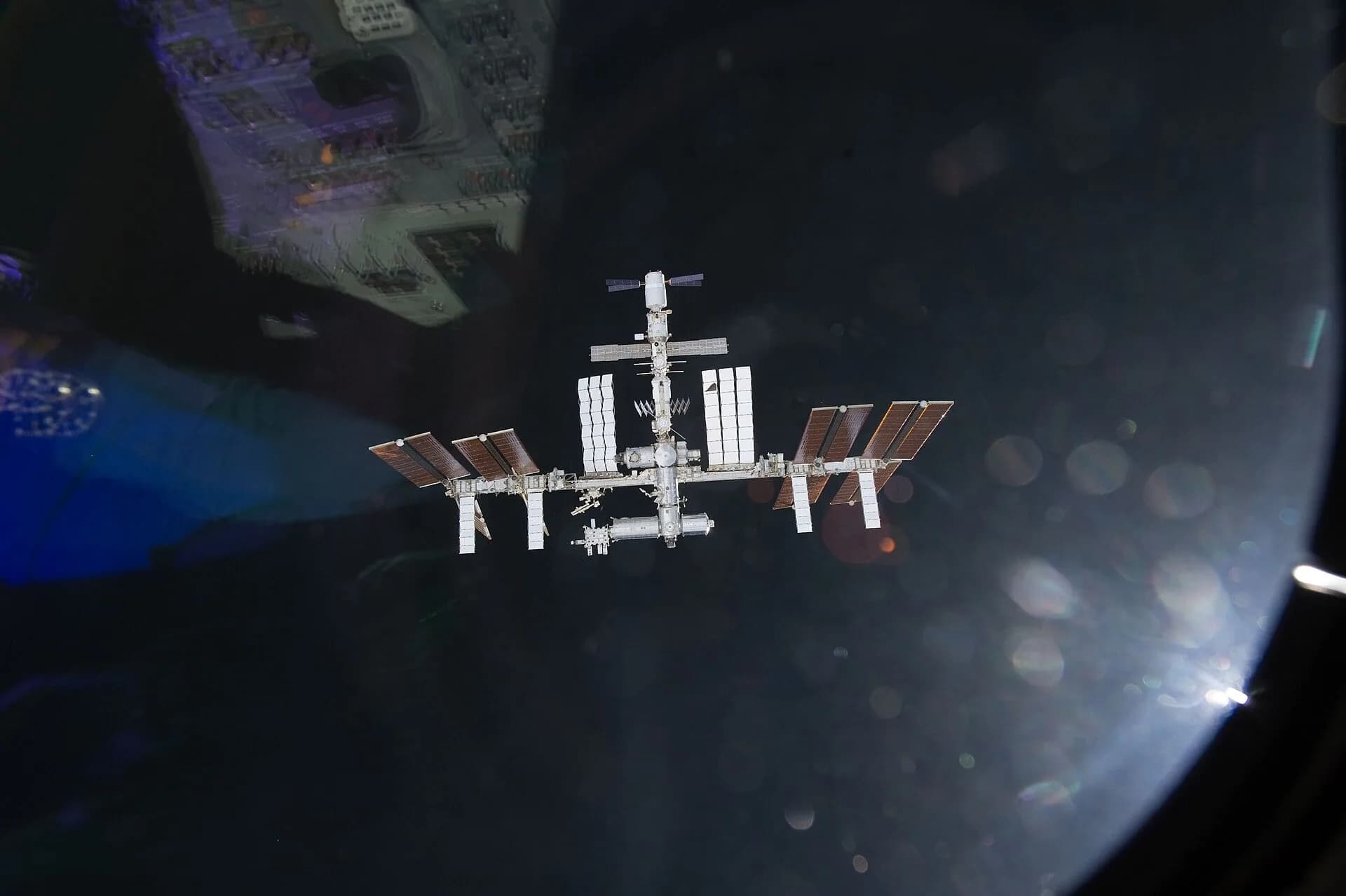
For India, a station is also a matter of independence. The International Space Station (ISS), run by the US, Russia, Europe, Japan and Canada, is expected to be retired around 2030, and China operates its own station, Tiangong. Having its own station means India does not depend on others' schedules and politics for long-duration human spaceflight.
How will it be built?
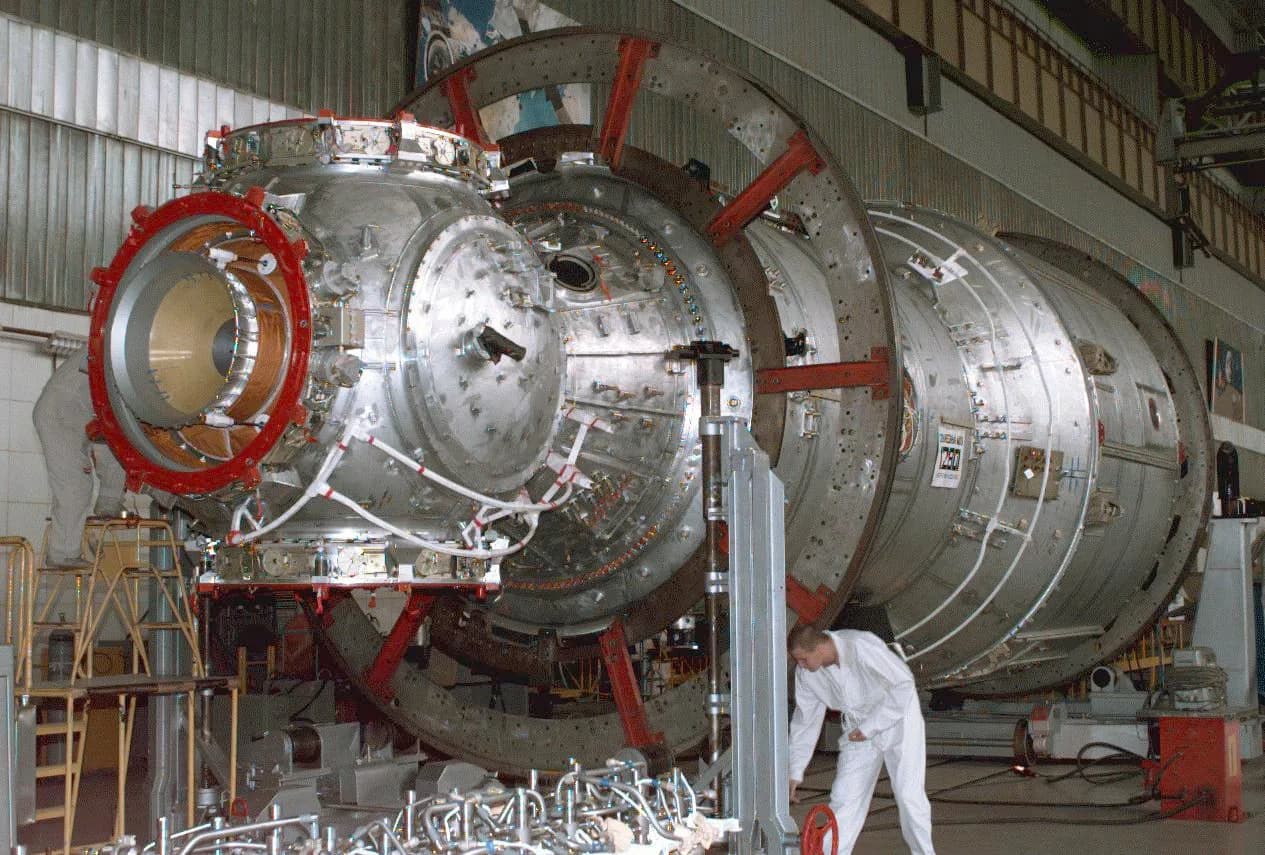
Like the ISS and Tiangong, BAS will be assembled in orbit, one module at a time:
- BAS-1, the first module, launched in 2028, can host experiments and be visited by Gaganyaan crews.
- More modules are added over the following years, docking to each other, to form a five-module station by 2035.
Building it requires skills India has recently been developing:
- Docking: India's SpaDeX mission docked two satellites in orbit in January 2025, making India the fourth country to do so.
- Human-rated spacecraft: Gaganyaan's capsule, life support and recovery systems.
- Bigger rockets: the planned Next Generation Launch Vehicle will be needed to carry heavier modules.
What has been approved, and what hasn't
The September 2024 Cabinet decision revised the Gaganyaan programme to include BAS-1 and additional precursor missions. The government has told Parliament that ISRO has worked out a five-module configuration, reviewed by a national committee, with a 2035 target for the full station.
The later modules still need separate approval and funding, so the 2035 date depends on future budgets and on Gaganyaan's progress.
How does it compare?
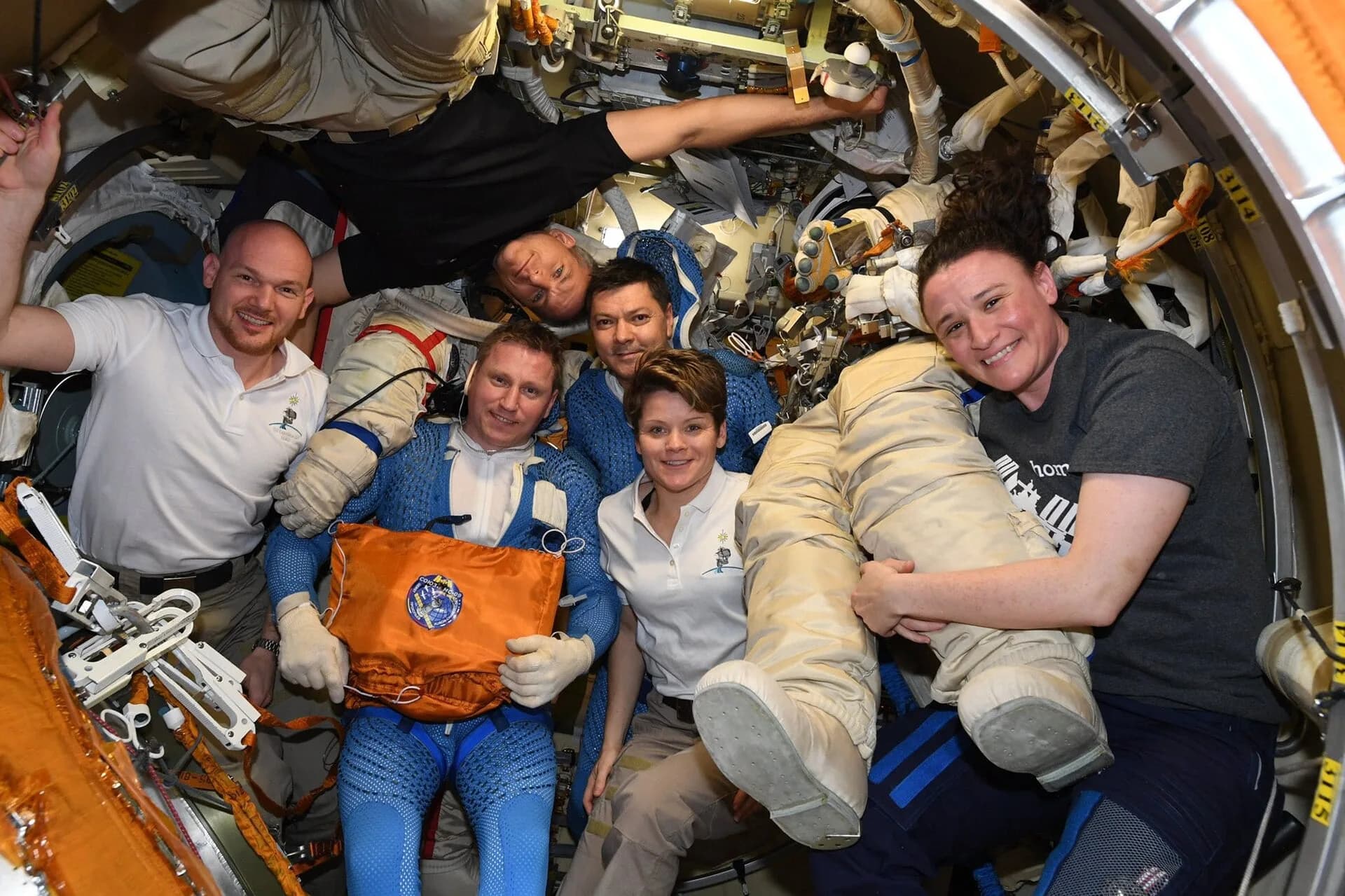
- ISS: the largest station ever built, continuously crewed since 2000, run by a group of countries.
- Tiangong: China's three-module station, completed in 2022 and permanently crewed.
- BAS: planned to be smaller than the ISS, built and run by India alone, at least at first.
The challenges
- Gaganyaan comes first. The station depends on India first flying astronauts safely, and the first uncrewed Gaganyaan flight has slipped several times. Our explainer on Gaganyaan G1 covers where it stands.
- Cost: modules, launches, crew flights and resupply missions add up over many years.
- Life support for long stays: recycling air and water, protecting crews from radiation, and keeping them healthy for months.
- Resupply: regular cargo flights will be needed, which may open opportunities for private Indian space companies.
Life on board
Living in orbit for weeks needs systems that most spacecraft never carry: equipment to scrub carbon dioxide and make oxygen, recycle water, manage waste, keep temperatures steady and shield crews from radiation. Astronauts also need exercise equipment to slow the loss of bone and muscle in weightlessness, and a reliable way home in an emergency, usually a capsule kept docked to the station. Developing and testing these systems is one reason the station is planned in stages.
What happens next
Watch for progress on Gaganyaan's uncrewed and crewed flights, the development of BAS-1 hardware, docking tests, and decisions on funding the later modules. The station is the bridge between Gaganyaan's short flights and the government's goal of an Indian on the Moon by 2040.
Common questions
Will Indians live on the station permanently? The long-term aim is regular crewed visits and, eventually, continuous operation, as on the ISS and Tiangong. Early stays will be shorter.
Can other countries use it? ISRO has not announced detailed plans for international partners, but stations often host foreign experiments and astronauts through agreements.
How high will it orbit? Like other stations, it will be in low Earth orbit, a few hundred kilometres up. Final figures will come with the detailed design.
Related reading
Sources
This article draws on the following reporting. Dates are when each source was originally published.
- Press Information Bureau: Parliament question: Bharatiya Antariksh Station
- Wikipedia: Bharatiya Antariksh Station
- The Tribune: Indian space station to be fully operational by 2035, says minister
Cite or link to this story
Quoting this article or using its figures? Please credit The Daily with a link.
Source: <a href="https://www.thedailymagazine.in/innovation/bharatiya-antariksh-station-explained">Bharatiya Antariksh Station Explained: India's Planned Space Station, From BAS-1 in 2028 to 2035</a>, The Daily, 15 Oct 2026.Written by
Stories, explainers and features published by The Daily, based on public sources that are listed with every article.
More from The Daily →Enjoyed this story?
Get the best of The Daily in your inbox every Sunday.