India in Space Explained: Gaganyaan, the Space Station, Chandrayaan-4, NavIC and the Private Rocket Boom
India plans its first uncrewed Gaganyaan flight, a sample-return mission to the Moon and its own space station, while private companies like Skyroot reach orbit. Where every mission stands in late 2026, and what comes next.
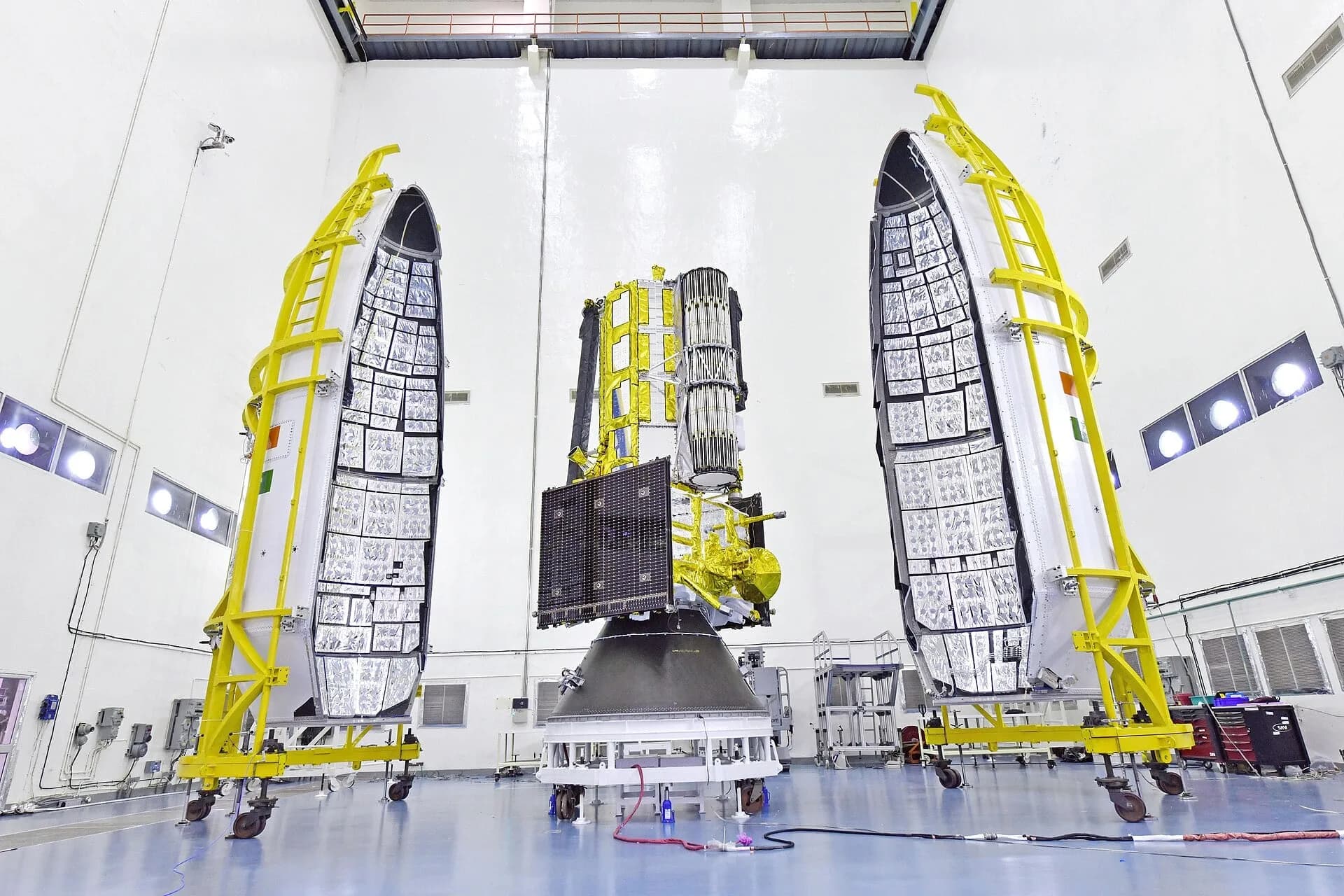
In the space of three years, India landed near the Moon's south pole, sent a probe to watch the Sun, docked two satellites in orbit and saw a private company put its own rocket into orbit. The next few years are even more ambitious: the first Gaganyaan flights, a space station of India's own, and a mission to bring back rocks from the Moon.
This guide explains where each mission stands as of October 2026, what is confirmed and what is only a target, and how the arrival of private companies is changing Indian space.
Quick answer
- Gaganyaan G1, the first uncrewed test flight of India's human spaceflight programme, carrying the robot Vyommitra, is targeted for late 2026, though no date has been announced and it has slipped several times.
- The first crewed flight is targeted for 2027.
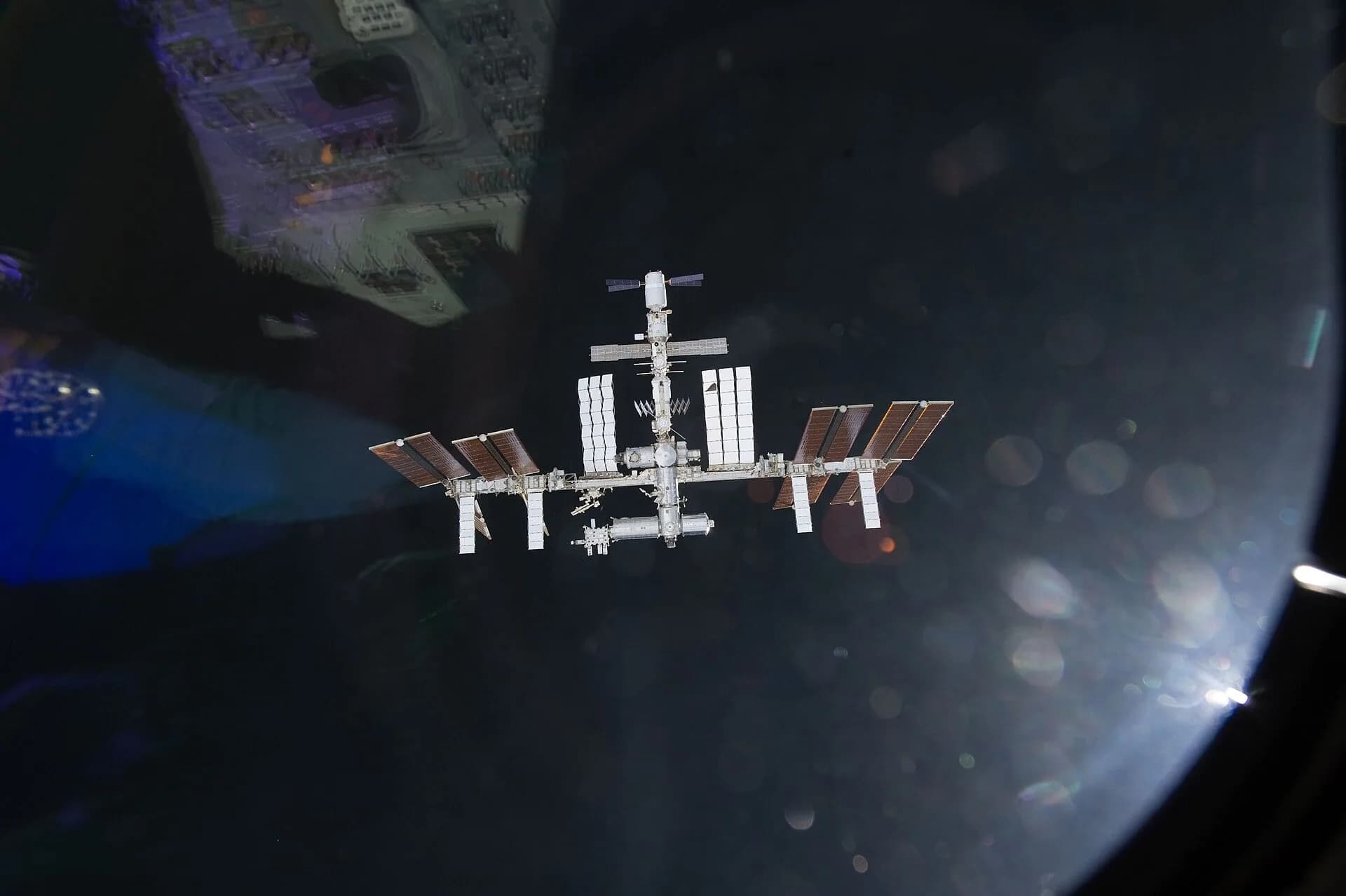
- The first module of the Bharatiya Antariksh Station (BAS) is approved for 2028, with a full five-module station planned by 2035.
- Chandrayaan-4, a mission to bring Moon samples back to Earth, is targeted for 2027.
- The government's long-term goal is an Indian on the Moon by 2040.
- Private launchers such as Skyroot's Vikram-1 have now reached orbit.
Where India stands today
India's recent record gives the plans credibility:
- Chandrayaan-3 landed near the Moon's south pole on August 23, 2023, making India the first country to land in that region. The date is now marked as National Space Day.
- Aditya-L1, launched in September 2023, has been studying the Sun from a point about 1.5 million km from Earth since early 2024.
- SpaDeX docked two satellites in orbit in January 2025, making India the fourth country to master docking, a skill essential for a space station and for Chandrayaan-4.
- NISAR, a radar satellite built with NASA, launched on an Indian GSLV rocket in July 2025 to map changes in Earth's surface.
- In mid-2025, Group Captain Shubhanshu Shukla became the first Indian to visit the International Space Station, on the private Axiom-4 mission.
Gaganyaan: India's human spaceflight programme
Gaganyaan aims to send Indian astronauts, called gaganyatris, into low Earth orbit on an Indian rocket, making India the fourth country to do so independently after Russia, the US and China.
The plan is step by step:
- Uncrewed flights first. G1 will fly the crew module empty except for Vyommitra, a half-humanoid robot that will monitor conditions in the cabin and test life-support systems. More uncrewed flights follow.
- Then the crewed flight. Up to three astronauts will orbit Earth at about 400 km for up to three days before splashing down in the sea.
The rocket is a "human-rated" version of ISRO's heavy LVM3, with extra safety margins and a crew escape system that can pull the capsule away if anything goes wrong at launch. ISRO tested the escape system in flight in October 2023.
Four Indian Air Force test pilots were named as astronaut-designates in February 2024: Prasanth Balakrishnan Nair, Ajit Krishnan, Angad Pratap and Shubhanshu Shukla.
The timeline has slipped repeatedly. G1 was once expected in 2024, then December 2025, then early 2026. In 2026, ISRO's chairman said the agency was working towards a G1 launch by the end of the year, with the first crewed flight in 2027. As of mid-October 2026, ISRO had not announced a launch date. Our explainer on Gaganyaan G1 goes into the mission in detail.
Bharatiya Antariksh Station: India's own space station
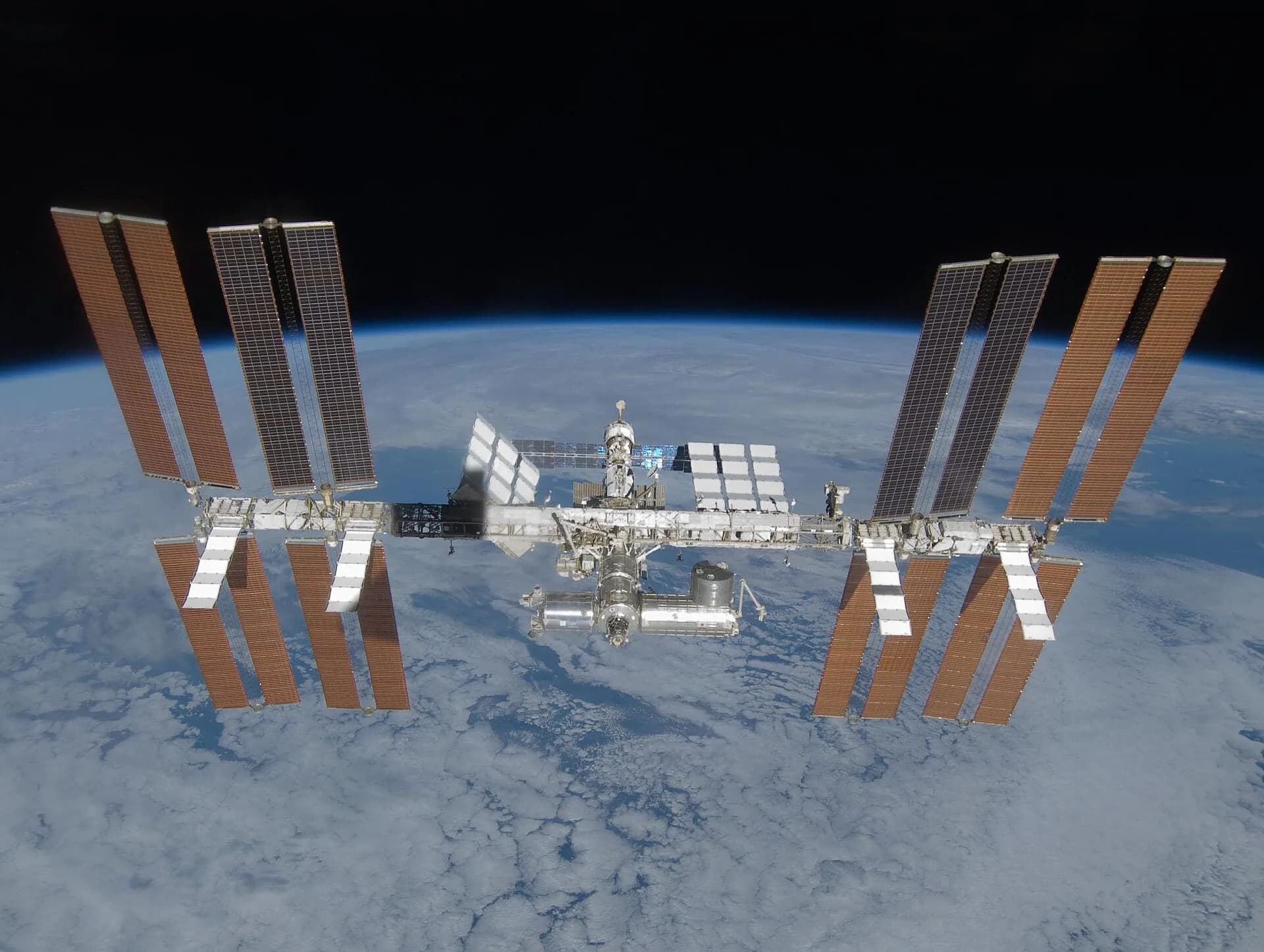
In September 2024, the Union Cabinet expanded the Gaganyaan programme to include the first module of an Indian space station, BAS-1, raising the programme's budget to about ₹20,193 crore. The government told Parliament that BAS-1 is targeted for 2028, and that ISRO has worked out a configuration of five modules for a station to be completed by 2035.
A station would let Indian astronauts live and work in orbit for long periods, run experiments in microgravity, and give India a base for future missions. Only the first module has formal approval so far. Our explainer on the Bharatiya Antariksh Station covers the design and the challenges.
Chandrayaan-4: bringing the Moon home
Chandrayaan-4 will try something India has never done: land on the Moon, collect samples, launch them back into lunar orbit, dock with a waiting spacecraft and return them to Earth. Only the US, the Soviet Union and China have brought back lunar samples.
The mission needs two launches and the docking skills tested by SpaDeX. The government told Parliament in December 2025 that the spacecraft's configuration was finalised and the launch was targeted for 2027, though one report quoted ISRO's chairman suggesting 2028.
Beyond that, Chandrayaan-5 is planned as a joint mission with Japan's space agency, JAXA, to explore the Moon's polar regions.
Other missions in the pipeline
- Venus Orbiter Mission: approved in 2024 to study Venus's atmosphere and surface.
- Next Generation Launch Vehicle (NGLV): a larger, partly reusable rocket approved in 2024 for heavier payloads, including station modules.
- New launch pads: a third launch pad at Sriharikota, and a new spaceport at Kulasekarapatnam in Tamil Nadu for small rockets.
NavIC: India's own GPS
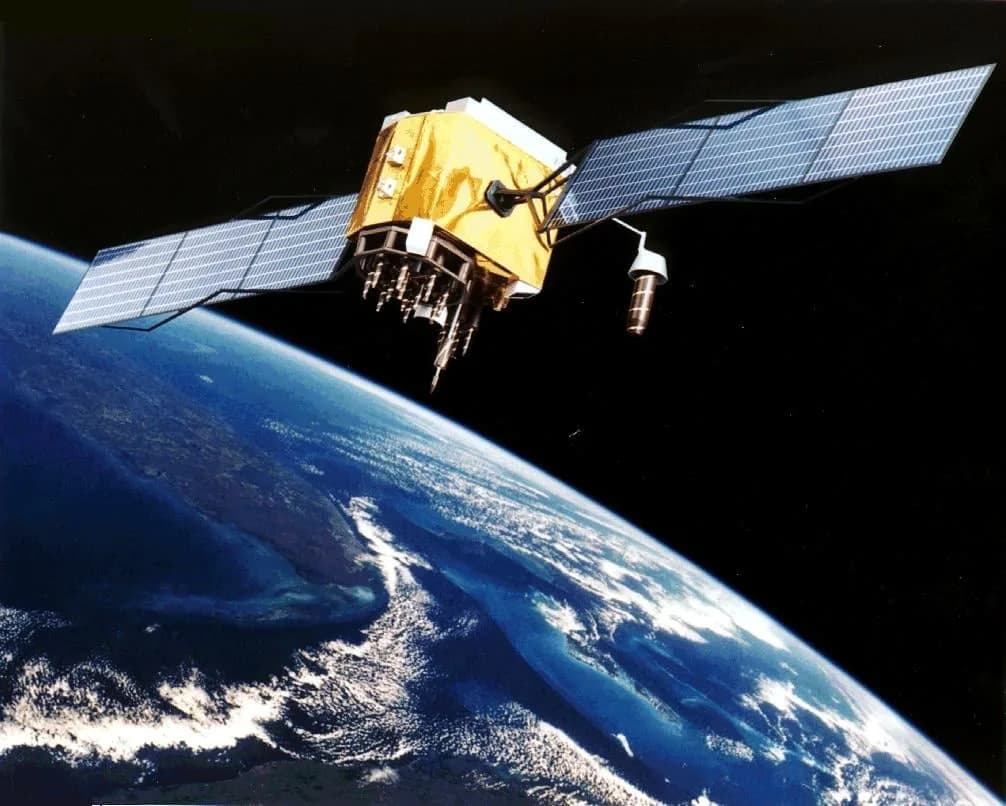
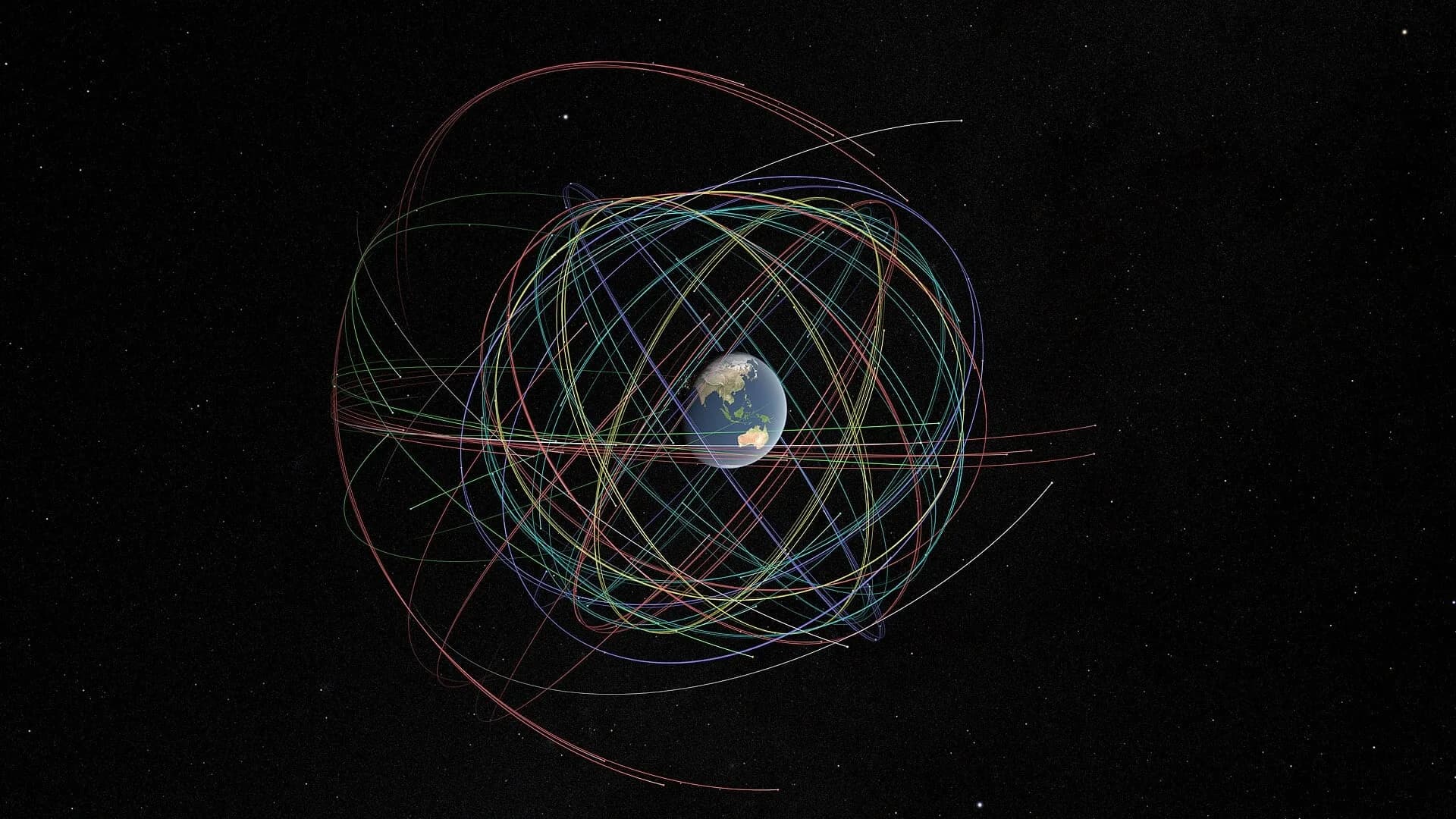
NavIC is India's regional satellite navigation system, covering India and about 1,500 km around it. It gives the country an independent alternative to the US GPS for both civilian and military use.
The system has struggled. Several older satellites lost their atomic clocks, and NVS-02, launched in January 2025, failed to reach its intended orbit. As of early 2026, only three satellites were providing position services, below the four needed for a full fix from NavIC alone. ISRO is launching replacements in the NVS series with Indian-made clocks. Our reports explain the NVS-03 launch and whether your phone supports NavIC.

The private space boom
Until recently, ISRO did almost everything. Since 2020, reforms have opened space to private companies:
- IN-SPACe, set up in 2020, authorises and supports private space activity.
- The Indian Space Policy 2023 defined what private firms can do, from building rockets to running satellite services.
- Foreign investment rules were eased in 2024.
- In 2025, ISRO and its partners agreed to transfer the small satellite launch vehicle (SSLV) technology to HAL to build and sell.
The results are visible. Skyroot Aerospace flew India's first private rocket, Vikram-S, on a suborbital hop in 2022, and its Vikram-1 reached orbit in July 2026. Agnikul, Pixxel, Dhruva Space and hundreds of other start-ups are building rockets, satellites and ground systems. Read about Skyroot's Vikram-1 and what comes next, the debate within ISRO about privatisation, and how satellite internet like Starlink fits in.
How ISRO's rockets fit together
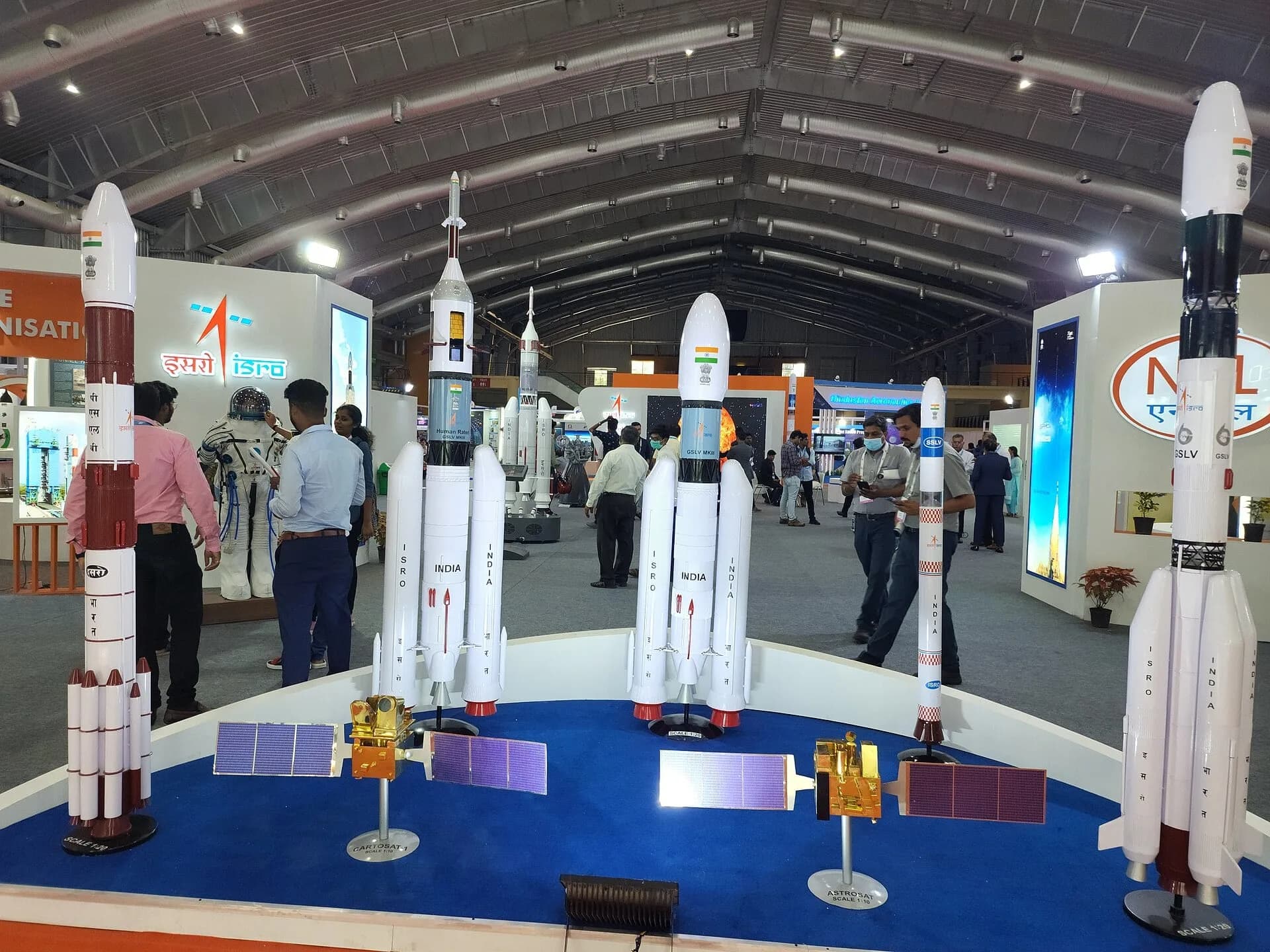
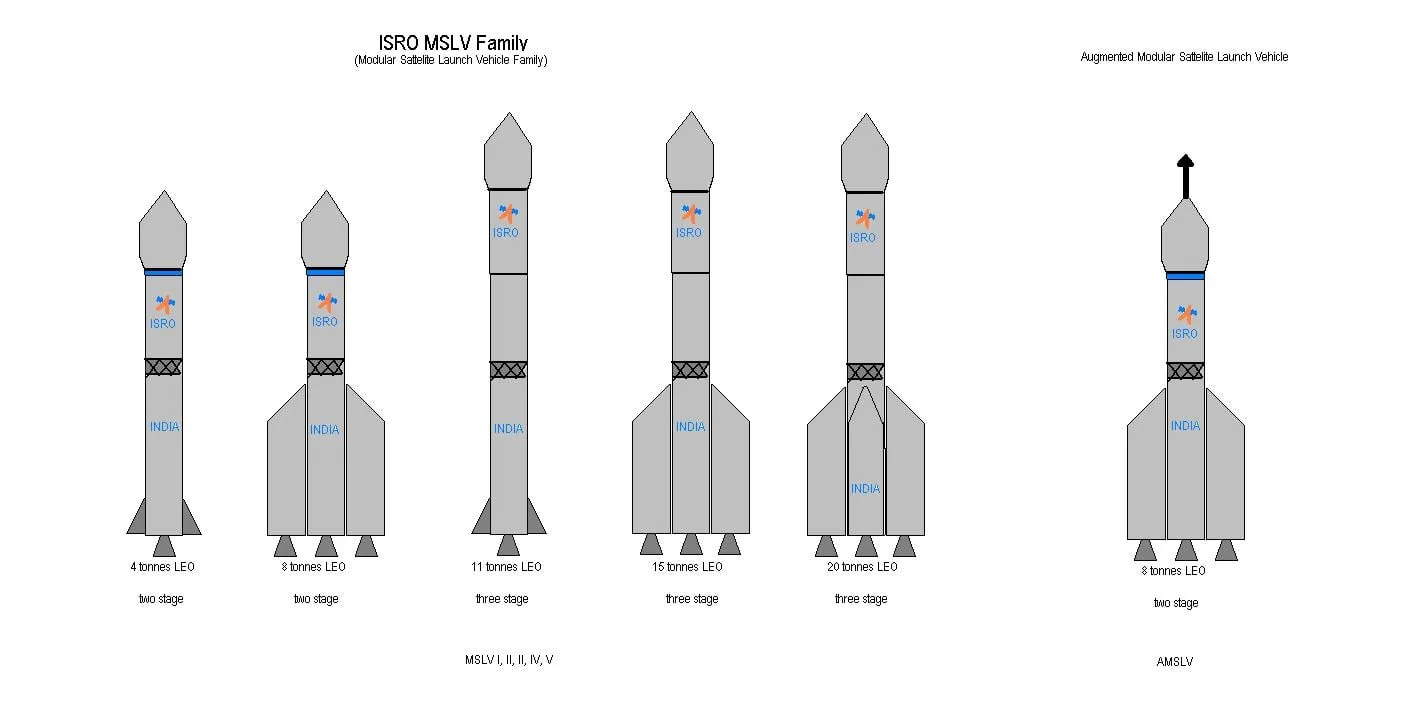
ISRO now flies four main rockets, each suited to a different job:
- PSLV: the reliable workhorse for satellites to sun-synchronous orbit; it launched Chandrayaan-1, Mangalyaan and Aditya-L1.
- GSLV: uses an Indian cryogenic upper stage to carry heavier communication and navigation satellites, including the NVS series.
- LVM3: ISRO's heaviest rocket, which launched Chandrayaan-3 and will carry Gaganyaan in its human-rated form.
- SSLV: a small, quick-to-assemble rocket for satellites of up to about 500 kg, now being handed to HAL to build commercially.
The planned Next Generation Launch Vehicle will be larger still and partly reusable, needed for space-station modules and future Moon missions.
Doing more with less
India's space budget is a small fraction of NASA's, yet its missions are known for achieving a great deal for the money. Chandrayaan-3 and Mangalyaan, India's Mars orbiter launched in 2013, were both built on budgets far below comparable foreign missions, partly because ISRO designs and builds most hardware in India and keeps its teams lean. That reputation for low cost also helps Indian launch companies win foreign customers.
Why it matters on Earth
Space is not only about prestige. Indian satellites support weather forecasting and cyclone warnings, navigation, television and internet in remote areas, crop and water monitoring, disaster response and national security. A stronger private sector also means jobs, exports and cheaper launches for Indian and foreign customers.
What to watch next
- The launch date of Gaganyaan G1 and Vyommitra's flight.
- More NavIC launches to restore full service.
- Vikram-1's next flights and other private launches.
- Progress on BAS-1 hardware and Chandrayaan-4 testing.
Common questions
When will the first Indian astronaut fly on an Indian rocket? The first crewed Gaganyaan flight is targeted for 2027, after the uncrewed G1 and further test flights succeed.
Who are India's astronauts? Four Indian Air Force test pilots have been named as astronaut-designates. One of them, Shubhanshu Shukla, has already flown to the International Space Station on a private mission.
Is India going to send humans to the Moon? The government's stated goal is an Indian on the Moon by 2040. Chandrayaan-4 and the space station are steps towards it.
Can private companies launch from India? Yes. With authorisation from IN-SPACe, private companies can build rockets and launch them from ISRO's sites, and new launch facilities are planned.
Mission dates are targets set by ISRO and the government and often change. This page reflects the position as of October 15, 2026, and will be updated as missions fly.
Guides in this series
Sources
This article draws on the following reporting. Dates are when each source was originally published.
- Indian Space Research Organisation: ISRO (official website)
- Press Information Bureau: Parliament question: Bharatiya Antariksh Station
- The Tribune: Chandrayaan-4 to be launched in 2027, configuration finalised: Jitendra to Parliament
- Wikipedia: Gaganyaan-1
- Wikipedia: Bharatiya Antariksh Station
Cite or link to this story
Quoting this article or using its figures? Please credit The Daily with a link.
Source: <a href="https://www.thedailymagazine.in/innovation/india-space-programme-explained">India in Space Explained: Gaganyaan, the Space Station, Chandrayaan-4, NavIC and the Private Rocket Boom</a>, The Daily, 15 Oct 2026.Written by
Stories, explainers and features published by The Daily, based on public sources that are listed with every article.
More from The Daily →Enjoyed this story?
Get the best of The Daily in your inbox every Sunday.