Gaganyaan G1 Explained: The Uncrewed Flight, Vyommitra and What Must Go Right Before Indians Fly
G1 is the first orbital test of the capsule that will carry India's astronauts. What it will do, who (or what) is on board, why it has been delayed, and how it leads to the first crewed flight targeted for 2027.
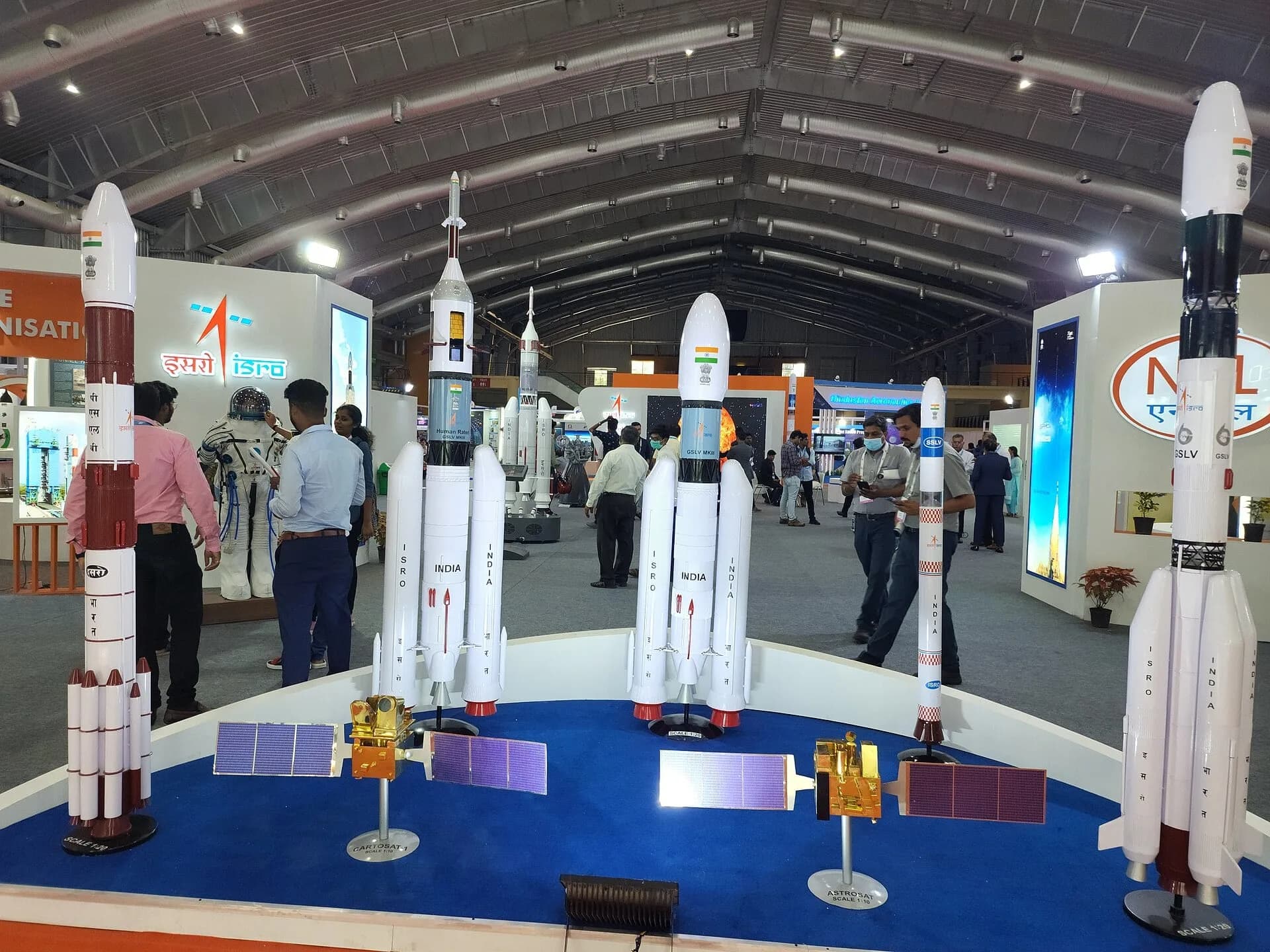
Before any Indian astronaut rides an Indian rocket, an empty capsule has to prove it can do the job. That is Gaganyaan G1: the first uncrewed orbital flight of India's human spaceflight programme. It has been delayed many times, and as of mid-October 2026, ISRO is working towards a launch by the end of the year, without an announced date.
Quick answer
- What: the first uncrewed orbital test of the Gaganyaan crew capsule, launched on a human-rated LVM3 rocket.
- Who's on board: Vyommitra, a half-humanoid robot that will monitor conditions inside the cabin.
- What it tests: launch, orbit, life-support systems, re-entry, parachutes, splashdown at sea and recovery.
- When: targeted for late 2026; the date has slipped repeatedly and none had been announced as of October 15.
- What next: more uncrewed flights, then the first crewed mission, targeted for 2027.
What is Gaganyaan?
Gaganyaan ("sky vehicle") is India's programme to send astronauts into low Earth orbit on an Indian rocket and bring them home safely. Only the Soviet Union/Russia, the United States and China have done this independently. The plan is to carry up to three astronauts to an orbit of about 400 km for up to three days, then splash down in the sea.
What will G1 do?
G1 is a full dress rehearsal without people:
- Launch on the human-rated LVM3, a version of ISRO's heaviest rocket with extra safety margins.
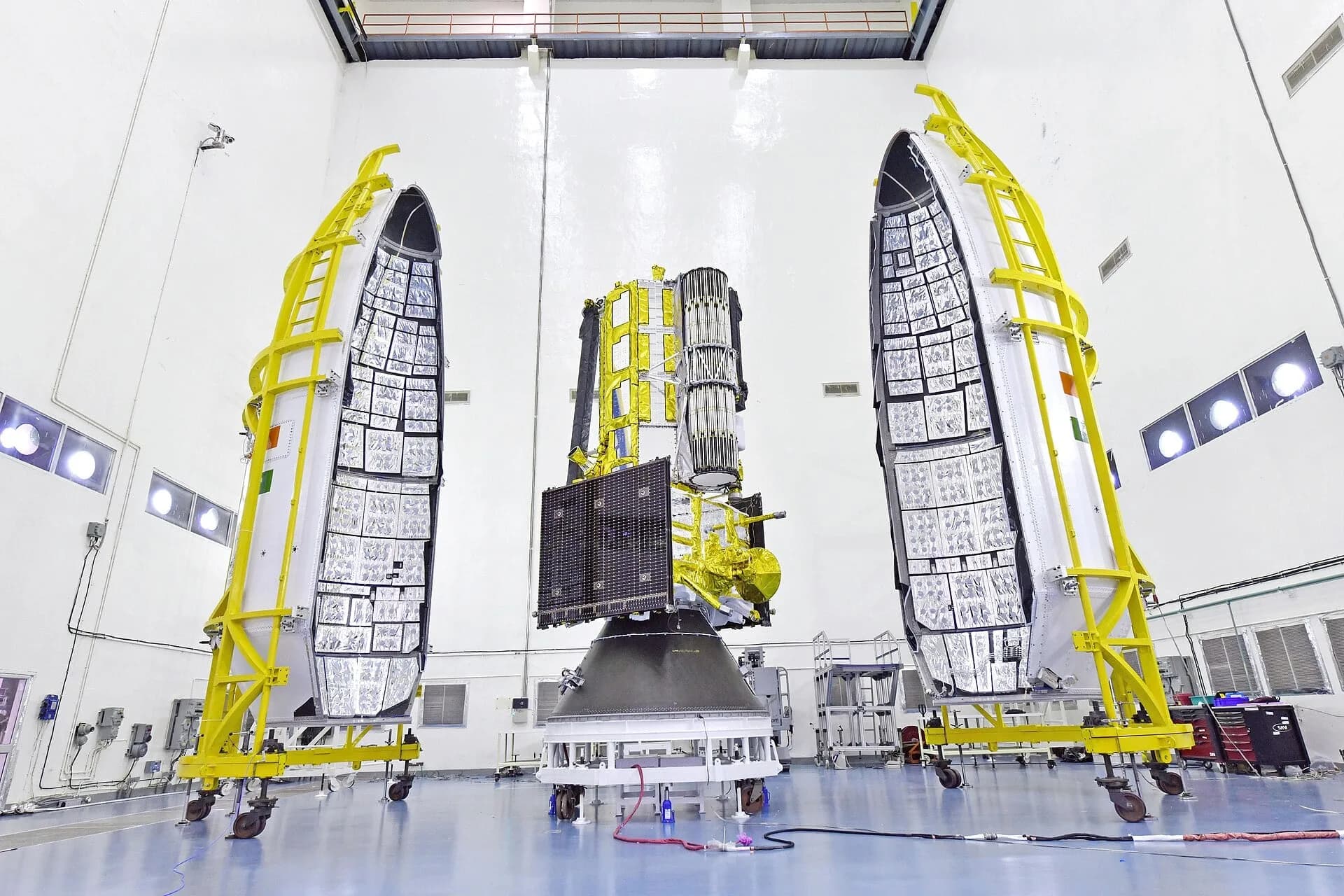
- Reach orbit and fly the crew module with its service module, which provides power and propulsion.
- Run the systems that will keep astronauts alive: air, temperature, pressure and communications.
- De-orbit and re-enter the atmosphere, protected by a heat shield.
- Deploy a sequence of parachutes to slow the capsule.
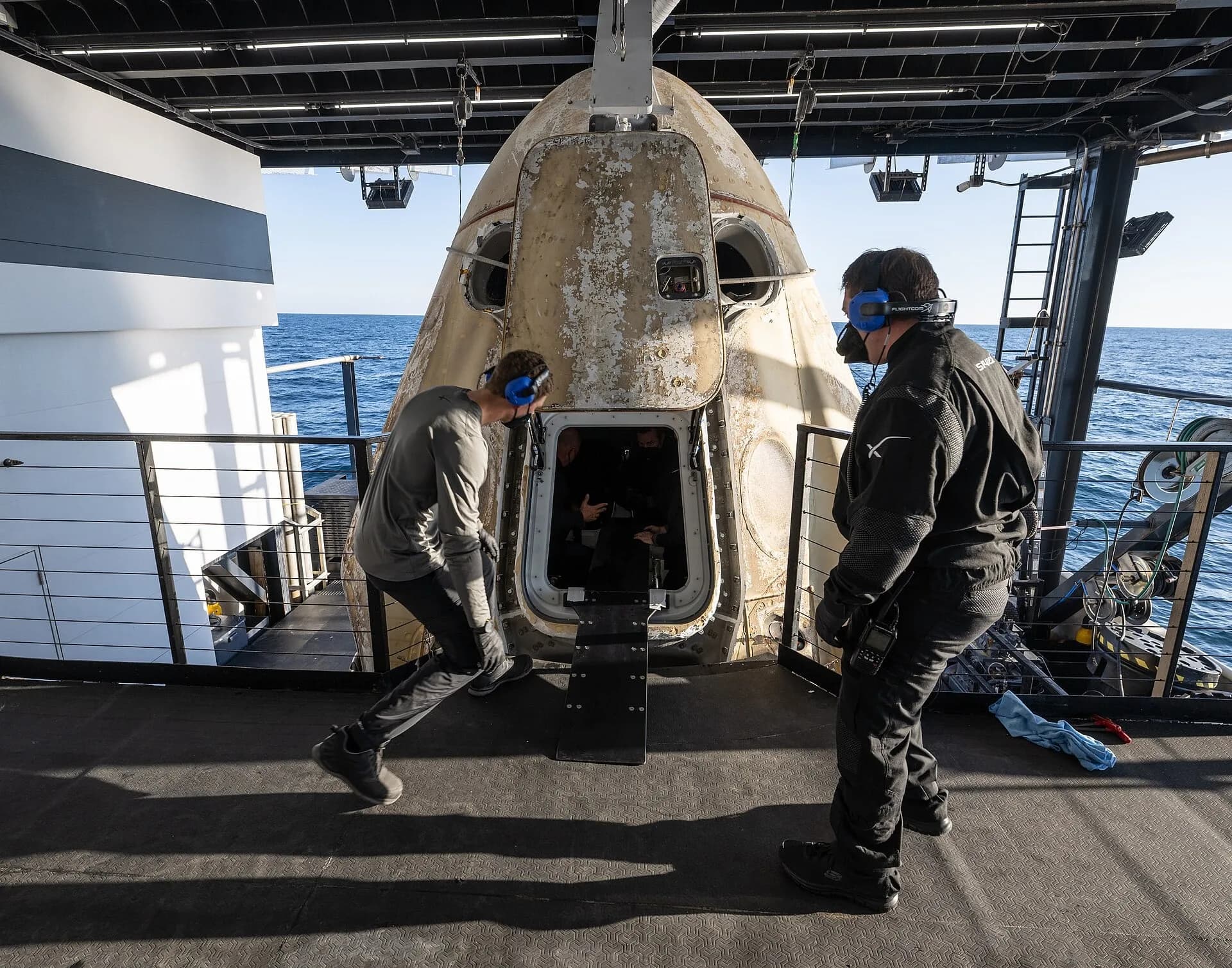
- Splash down at sea, where Navy teams recover it.
Every system that would carry a person is tested, except that the "passenger" is a robot.
Who is Vyommitra?
Vyommitra ("space friend") is a half-humanoid robot with a head, torso and arms, developed by ISRO. On G1 it will:
- Monitor cabin conditions such as pressure, temperature and air quality,
- Operate some switches and panels as an astronaut would,
- Talk to mission control, testing voice links,
- Report how the capsule behaves through launch and re-entry.
In effect, it is a set of sensors shaped like a crew member, so engineers can see what astronauts would experience.
Why has G1 taken so long?
Human-rating a spacecraft is slow and demanding. Every part, from rocket engines to parachutes, must meet far stricter safety standards than for a satellite. G1 was once expected in 2024, then in December 2025, then in March 2026. Each time, ISRO has chosen to complete more testing rather than fly early.
Major tests already completed include:
- TV-D1 (October 2023): a test flight of the crew escape system, which can pull the capsule away from a failing rocket.
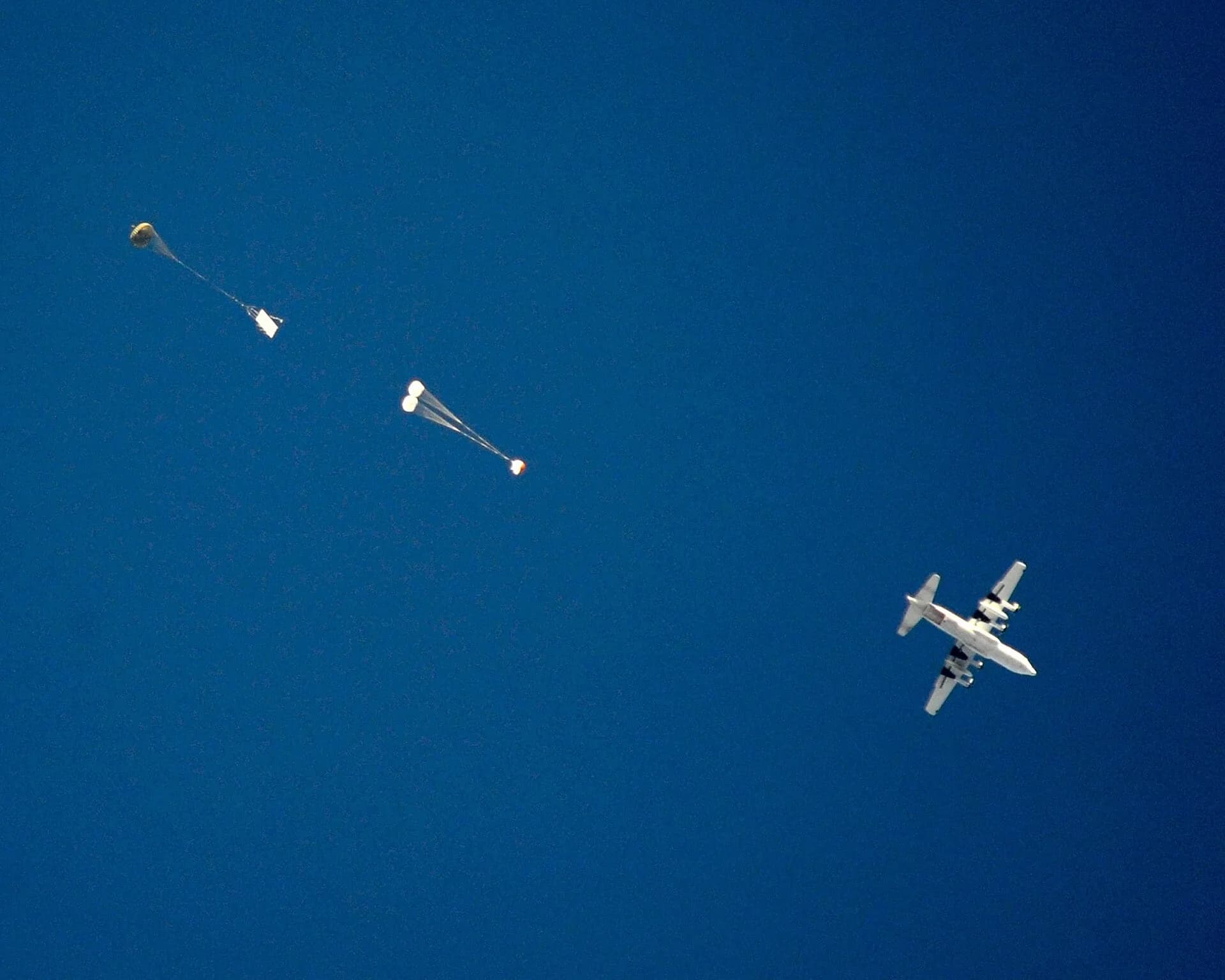
- Rounds of parachute and drop tests, in which the capsule is released from aircraft or helicopters to test the parachute sequence.
- Engine qualification for the human-rated rocket, and integration of Vyommitra with the capsule.
The path to the first crewed flight
- G1: uncrewed, with Vyommitra.
- Further uncrewed flights: to repeat and extend the tests.
- H1: the first crewed flight, targeted for 2027, with up to three astronauts.
The four astronaut-designates named in 2024 are Indian Air Force test pilots: Prasanth Balakrishnan Nair, Ajit Krishnan, Angad Pratap and Shubhanshu Shukla. Shukla gained real spaceflight experience in 2025, when he flew to the International Space Station on the private Axiom-4 mission.
Why it matters
Gaganyaan is not just about flag-planting. It builds the skills India needs for the Bharatiya Antariksh Station, a planned Indian space station, and for the government's goal of landing an Indian on the Moon by 2040. It also drives Indian industry: many of the programme's systems are built by private and public-sector firms.
Common questions
Will G1 be shown live? ISRO usually streams major launches on its website and social media channels. Details will come with the launch announcement.
Where will the capsule land? In the sea off India's coast, where Navy ships and teams will be waiting to recover it.
What if G1 fails? A failure on an uncrewed flight is exactly what test flights are designed to catch. Engineers would study the data, fix the problem and fly again before any crew is risked.
Related reading
Sources
This article draws on the following reporting. Dates are when each source was originally published.
- Wikipedia: Gaganyaan-1
- Wikipedia: Vyommitra
- News On AIR: Gaganyaan G1 launch set for December (2025 report)
- Swarajya: ISRO targets March 2026 launch for Gaganyaan programme's first uncrewed space mission
- Indian Space Research Organisation: Gaganyaan (official website)
Cite or link to this story
Quoting this article or using its figures? Please credit The Daily with a link.
Source: <a href="https://www.thedailymagazine.in/innovation/gaganyaan-g1-explained">Gaganyaan G1 Explained: The Uncrewed Flight, Vyommitra and What Must Go Right Before Indians Fly</a>, The Daily, 15 Oct 2026.Written by
Stories, explainers and features published by The Daily, based on public sources that are listed with every article.
More from The Daily →Enjoyed this story?
Get the best of The Daily in your inbox every Sunday.