N95 vs N99 vs Cloth Mask: Which Mask Actually Works Against Air Pollution
Fine-particle pollution slips through most cloth and surgical masks. What the N95 and N99 numbers mean, why fit matters more than the label, how to spot a fake, and which mask suits children, runners and commuters.

When the AQI turns red, the pharmacy shelves fill with masks claiming to "block 99% of pollution". Some do a good job. Many do very little. The difference comes down to two things: the filter and the fit.
Quick answer
- Best practical choice: a well-fitted N95 (or its Indian/European equivalent, FFP2). It filters at least 95% of fine particles when it seals properly.
- N99: filters at least 99%, but is often harder to breathe through. Useful for people with high exposure, such as traffic police or long commutes on Severe days.
- Surgical masks: better than nothing, but air leaks around the edges.
- Cloth masks: offer limited protection against PM2.5, the fine particles that do the most harm.
- Fit beats rating: a loose N99 can protect you less than a snug N95.
What do N95 and N99 mean?
The labels come from the US safety agency NIOSH, which certifies masks called "filtering facepiece respirators":
- N95: filters at least 95% of airborne particles of the size that is hardest to catch (about 0.3 microns).
- N99: at least 99%.
- N100: at least 99.97%.
- The "N" means "not resistant to oil", which does not matter for city smog.
India's standard, IS 9473 from the Bureau of Indian Standards, uses classes called FFP1, FFP2 and FFP3. FFP2 is broadly comparable to N95, and FFP3 to N99. Europe uses the same FFP classes.
Why cloth and surgical masks fall short
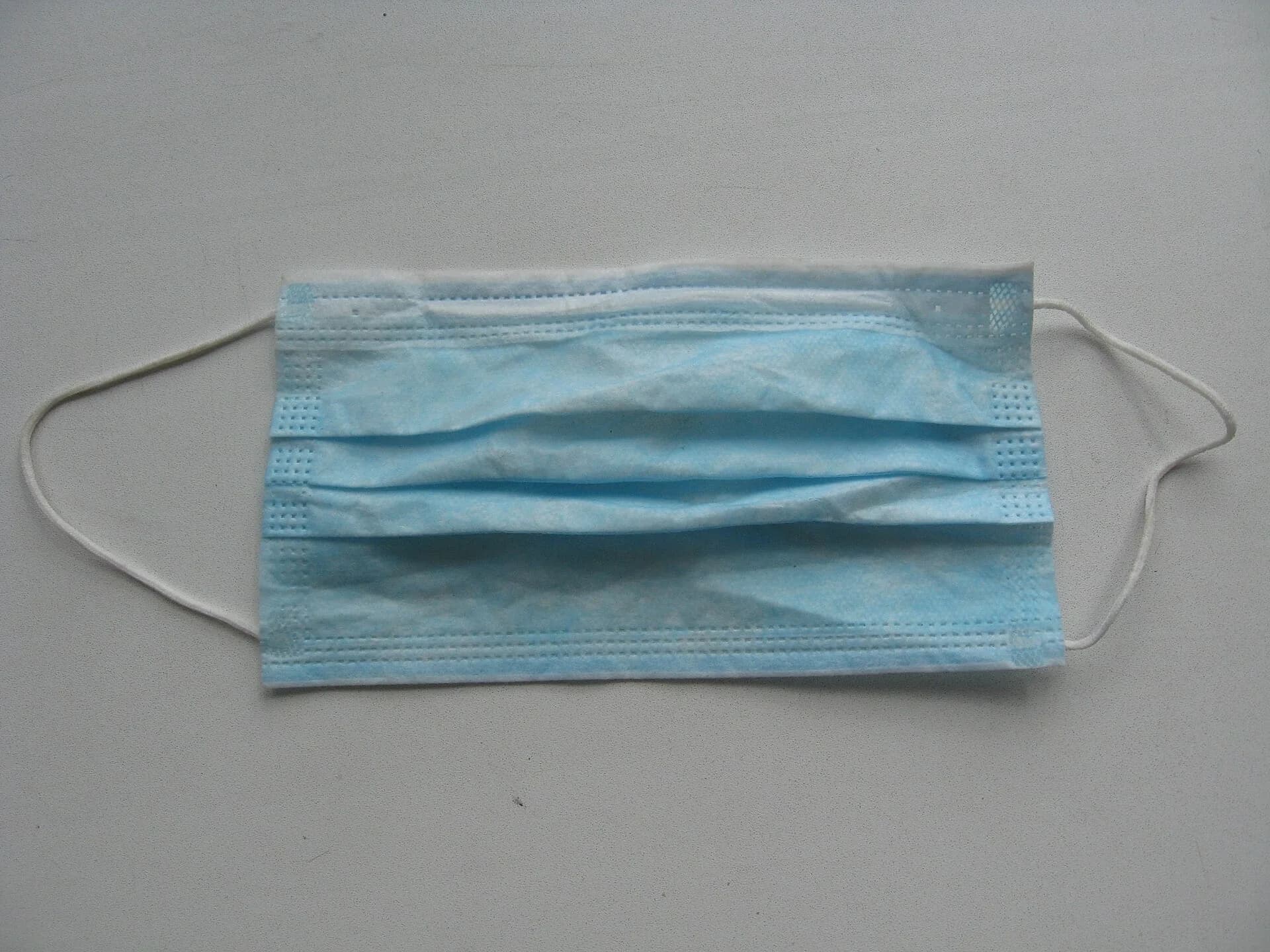
Pollution's most dangerous particles, PM2.5, are about thirty times thinner than a human hair. Cloth weaves have gaps far larger than that, and most cloth masks fit loosely.
A review of studies published in a medical journal found big differences in real-world performance:
- Cloth masks filtered between 15% and 57% of diesel exhaust particles in one test.
- A surgical mask filtered about 79%, but loose edges let unfiltered air in.
- Inward leakage, air sneaking around the edges, was about 9% for a fitted N95, compared with 22% to 35% for other masks in one study.
The same review noted that the health benefit of masks for the general public against pollution has not been directly measured. Masks reduce exposure; they do not make bad air safe.
Fit is everything
Even the best filter fails if air goes around it. Check every time you put it on:
- Choose the right size. Many brands sell small, medium and large.
- Both straps should go around your head, not just your ears, for a firmer seal. Many Indian masks use ear loops; pick ones with a clip that joins them behind the head if you can.
- Pinch the nose clip firmly so it follows the shape of your nose.
- Seal check: cover the mask with your hands and breathe out sharply. If you feel air escaping at the edges, adjust it.
- Beards and stubble break the seal. Clean-shaven skin gives the best fit.
If your glasses fog up, air is escaping from the top: press the nose clip again.

N95 or N99: which should you buy?
- For most people on most days: an N95/FFP2. It is easier to breathe through for a walk, a commute or a day at work.
- For heavy exposure: traffic police, delivery riders, construction workers and people on long two-wheeler commutes might prefer N99/FFP3 on Very Poor and Severe days.
- For running and exercise: do not exercise hard outdoors on bad days. Any good mask makes heavy breathing harder; move workouts indoors instead.
Masks with valves
Masks with an exhalation valve are more comfortable because breath leaves easily. They protect the wearer from pollution just as well. The valve only matters for infection control, because it lets your breath out unfiltered.
Children, older people and those with illness
- There are few certified N95s sized for small children. A loose adult mask does little. Children under two should not wear masks at all; keep them indoors on bad days instead.
- For older children, look for child-sized FFP2 masks and check the fit.
- People with heart or lung disease, or who are pregnant, should ask a doctor before wearing a tight mask for long periods, as it makes breathing slightly harder.
How to spot a fake
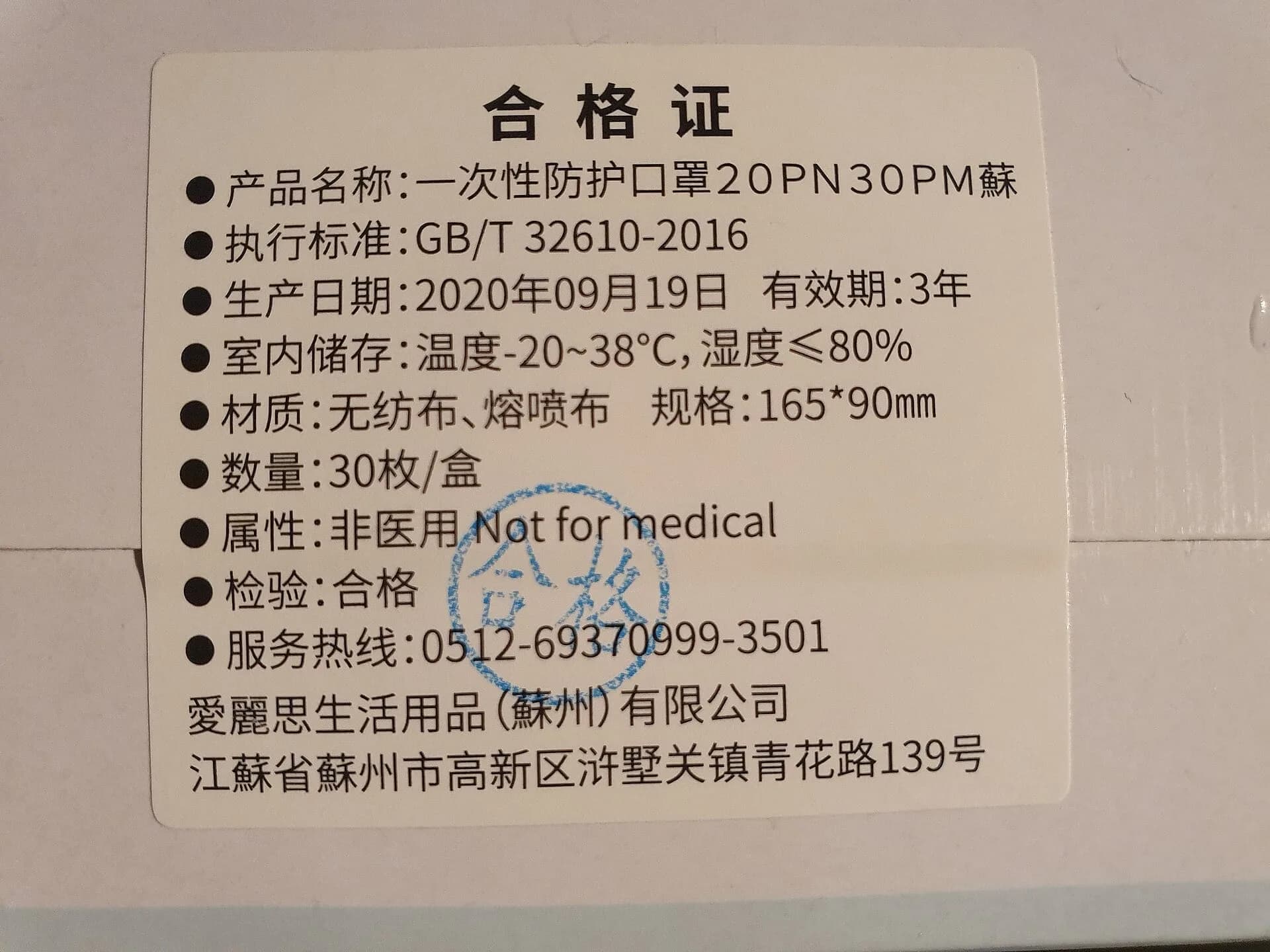
- Look for a certification marking printed on the mask itself: a NIOSH approval number (starting "TC-84A") for N95/N99, or BIS marking with IS 9473 and the FFP class.
- You can check NIOSH numbers on the agency's certified equipment list.
- Be wary of masks sold loose, without packaging, or with spelling mistakes on the print.
- "Anti-pollution" fashion masks with replaceable "carbon filters" are often not certified at all.
How long does a mask last?
Disposable N95s are designed for limited use. Replace one when it becomes damp, dirty, damaged or harder to breathe through, or when the straps lose their stretch. Do not wash it: water damages the electrically charged filter layer that traps fine particles. Store it in a clean paper bag between uses.
This article is for general information and is not medical advice.
Related reading
This article is for general information only and is not a substitute for medical advice. Please consult a qualified doctor about your own health, and in an emergency call 112 or go to the nearest hospital.
Sources
This article draws on the following reporting. Dates are when each source was originally published.
- PubMed Central: Review: effectiveness of face masks against air pollution exposure (PMC7749091)
- US Centers for Disease Control and Prevention / NIOSH: NIOSH Certified Equipment List
- World Health Organization: Ambient (outdoor) air pollution: fact sheet
Cite or link to this story
Quoting this article or using its figures? Please credit The Daily with a link.
Source: <a href="https://www.thedailymagazine.in/health/n95-vs-n99-mask-pollution">N95 vs N99 vs Cloth Mask: Which Mask Actually Works Against Air Pollution</a>, The Daily, 15 Oct 2026.Written by
Stories, explainers and features published by The Daily, based on public sources that are listed with every article.
More from The Daily →Enjoyed this story?
Get the best of The Daily in your inbox every Sunday.