AQI Categories Explained: What to Do When the Air Is Poor, Very Poor or Severe
India's Air Quality Index has six bands, from Good to Severe. What each number means for your health, who should be careful at each level, and practical steps for home, school, exercise and commuting.

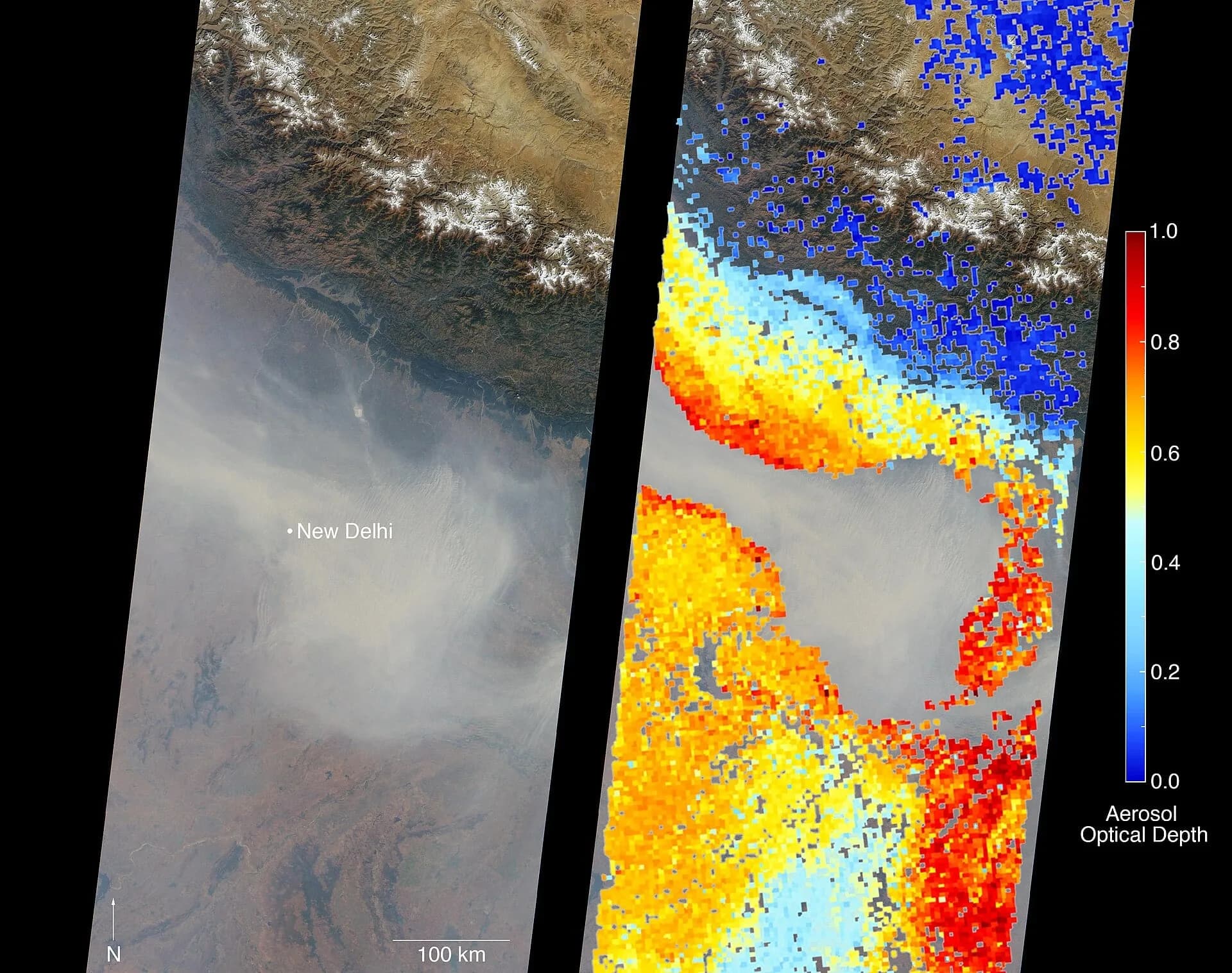
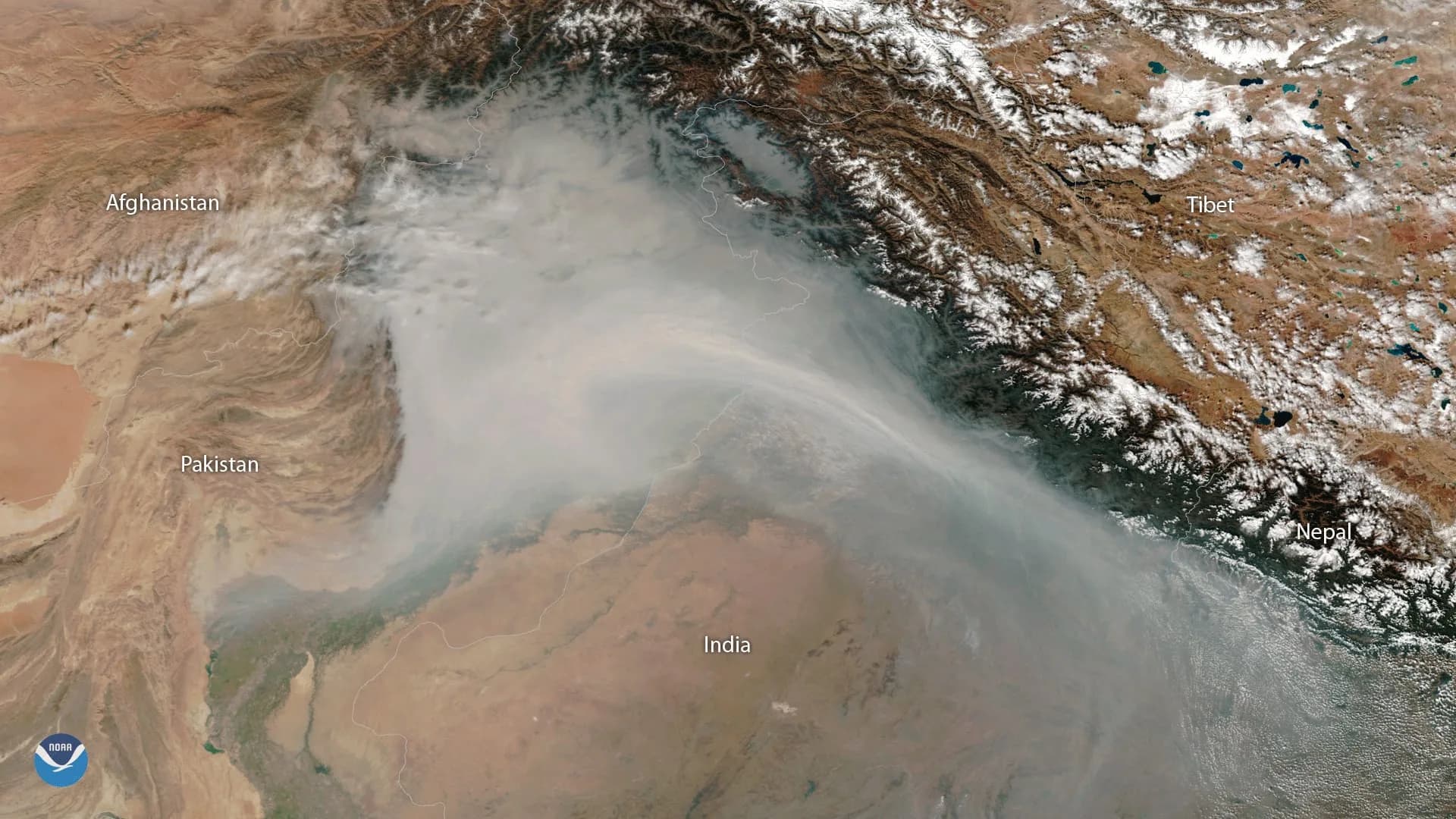
Every winter, a single number starts to rule north India's mornings: the AQI. A reading of 180 and a reading of 380 sound similar on a phone screen, but they are very different for your lungs. Here is what each band of India's Air Quality Index means, and what to do at each level.
Quick answer
India's National Air Quality Index, run by the Central Pollution Control Board (CPCB), has six bands:
- Good (0-50): minimal impact.
- Satisfactory (51-100): minor breathing discomfort for sensitive people.
- Moderate (101-200): discomfort for people with asthma, lung or heart disease, children and older adults.
- Poor (201-300): breathing discomfort for most people on long exposure.
- Very Poor (301-400): respiratory illness on long exposure.
- Severe (401-500): affects healthy people and seriously affects those with existing illness.
How is AQI calculated?
The index combines up to eight pollutants: fine particles PM2.5 and PM10, nitrogen dioxide, sulphur dioxide, carbon monoxide, ozone, ammonia and lead. Each gets its own sub-index, and the worst one becomes the AQI you see. In Indian winters, that is almost always PM2.5, particles small enough to reach deep into the lungs and bloodstream.
For particles, the official AQI uses a 24-hour average. Apps that show "live" hourly figures can be much higher or lower than the official daily number.
Note: India's scale is not the same as the US AQI used by some apps and air purifiers. The same air can show different numbers on the two scales, so compare like with like.

What to do at each level
Good and Satisfactory (0-100) - Normal outdoor activity for everyone. - Air out your home in the afternoon, when air usually mixes best.
Moderate (101-200) - People with asthma, COPD or heart disease should keep medicines handy and cut down on long, hard outdoor exercise. - Children and older adults can play and walk, but should take breaks.
Poor (201-300) - Everyone should reduce prolonged or heavy outdoor exertion. - Move runs and workouts indoors, or to the afternoon. - Keep windows shut during early morning and late evening, when pollution is often trapped near the ground. - In Delhi-NCR, GRAP Stage I measures apply at this level.
Very Poor (301-400) - Avoid outdoor exercise; walk only when necessary. - Wear a well-fitted N95 outdoors, especially in traffic. - Run an air purifier in the room where you sleep. - Children should play indoors; schools may limit outdoor assemblies.
Severe (401 and above) - Stay indoors as much as possible, even if you are healthy. - Anyone with breathing or heart conditions should follow their doctor's action plan and seek help early. - Expect GRAP Stage III or IV restrictions in Delhi-NCR: construction bans, vehicle curbs and sometimes online classes.
Who is most at risk?
- Children, whose lungs are still developing and who breathe faster.
- Older adults.
- Pregnant women.
- People with asthma, COPD, heart disease or diabetes.
- Outdoor workers: traffic police, delivery riders, construction workers and vendors.
The World Health Organization links fine-particle pollution to heart disease, stroke, lung disease and cancer, and counts children among the most vulnerable.
Simple habits that help
- Check the AQI on the official SAMEER app or the CPCB website before planning outdoor activity.
- Choose your hour: air is often cleanest in the early to mid afternoon.
- Avoid busy roads when walking or cycling; even a parallel side street can be better.
- Don't add to indoor pollution: avoid incense, mosquito coils and frying with the windows shut.
- Masks: cloth and surgical masks offer limited protection against fine particles. A snug N95 works far better. Our guide on masks and air purifiers explains how to choose.
When to see a doctor
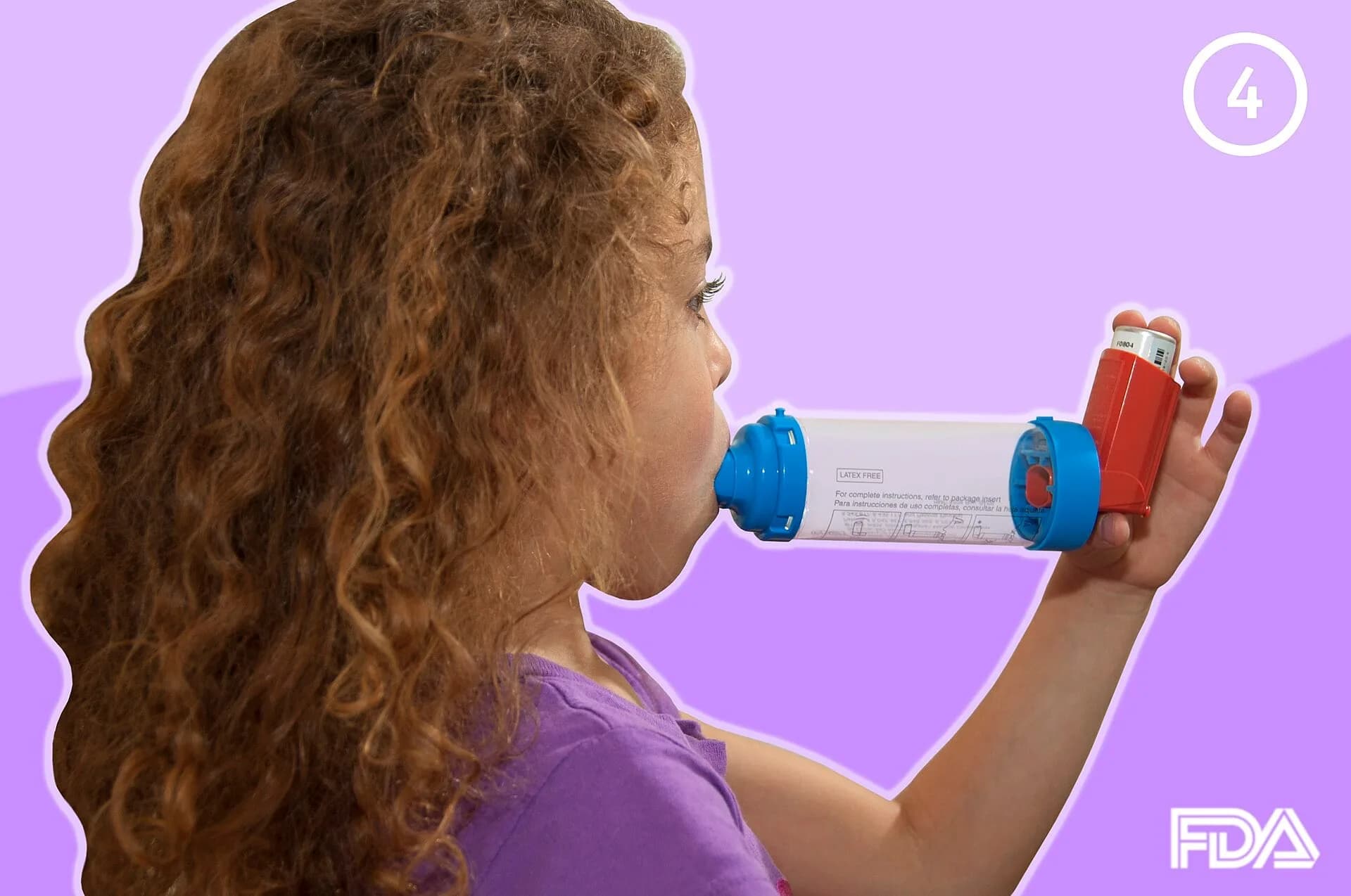
Seek medical help for breathlessness, chest pain or tightness, a persistent cough, wheezing or unusual tiredness, especially in children, older people and anyone with heart or lung disease. Do not wait for the AQI to fall.
This article is for general information and is not medical advice.
Common questions
Is AQI 150 safe for a morning walk? For most healthy adults, a short, easy walk at "Moderate" levels is fine. People with asthma or heart disease should keep it short and carry their medicines.
Why is the AQI worse at night and early morning? In winter, cool air near the ground gets trapped under a warmer layer above it, an effect called an inversion. Smoke and dust cannot rise and disperse until the sun warms the ground.
Do indoor plants clean the air? Not enough to matter. A room would need an impractical number of plants to match even a small air purifier.
Does rain help? Yes, briefly. Rain washes particles out of the air, which is why the AQI often drops after a shower, but it usually climbs again within a day or two.
Related reading
This article is for general information only and is not a substitute for medical advice. Please consult a qualified doctor about your own health, and in an emergency call 112 or go to the nearest hospital.
Sources
This article draws on the following reporting. Dates are when each source was originally published.
- Central Pollution Control Board: National Air Quality Index
- World Health Organization: Ambient (outdoor) air pollution: fact sheet
- US Environmental Protection Agency: Air Quality Index (AQI) basics
Cite or link to this story
Quoting this article or using its figures? Please credit The Daily with a link.
Source: <a href="https://www.thedailymagazine.in/health/aqi-categories-what-to-do">AQI Categories Explained: What to Do When the Air Is Poor, Very Poor or Severe</a>, The Daily, 15 Oct 2026.Written by
Stories, explainers and features published by The Daily, based on public sources that are listed with every article.
More from The Daily →Enjoyed this story?
Get the best of The Daily in your inbox every Sunday.